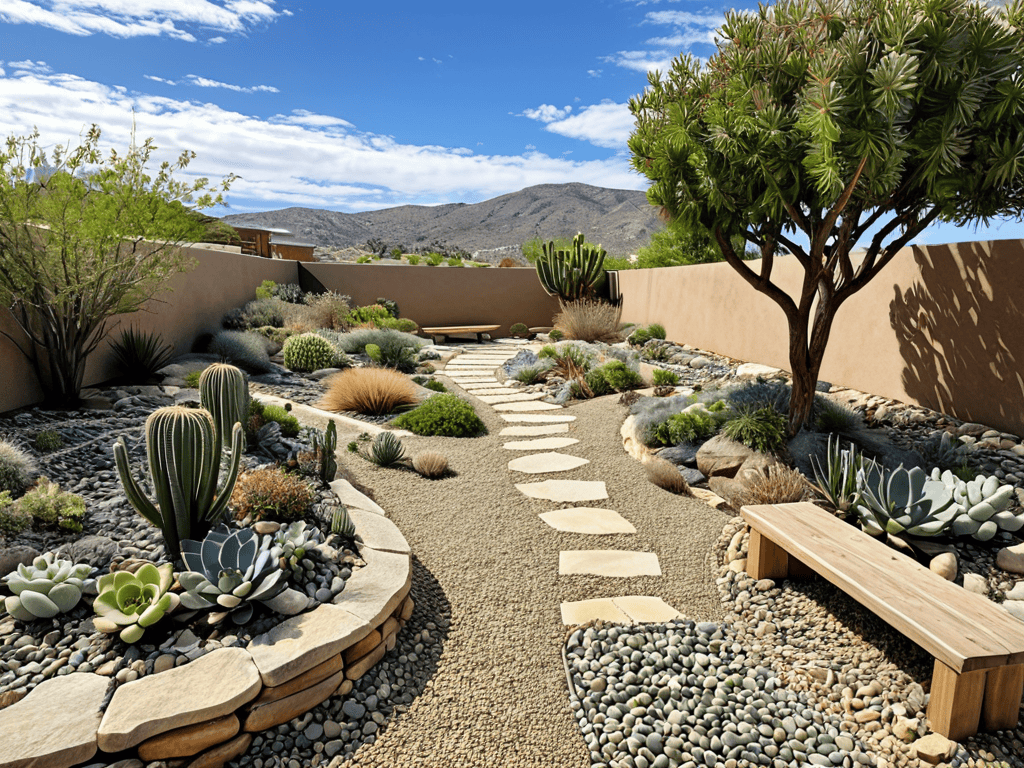
I still remember the day I decided to ditch my water-guzzling lawn and give Xeriscaping for Beginners a try. It was a hot summer afternoon, and I was tired of wasting precious water and money on a lawn that seemed to be more weeds than grass. As I began my research, I was surprised to find that many people believed xeriscaping was only for desert landscapes or required a lot of expensive, high-maintenance plants. But the truth is, xeriscaping is for anyone who wants to create a beautiful, low-maintenance outdoor space while saving water and reducing their environmental footprint.
In this article, I’ll share my personal experience and practical tips for creating a stunning xeriscaped yard. You’ll learn how to choose the right plants, design a functional and beautiful space, and maintain your new landscape with ease. I’ll cut through the hype and provide you with honest, no-nonsense advice on how to get started with xeriscaping, even if you’re a complete beginner. By the end of this guide, you’ll be equipped with the knowledge and confidence to transform your outdoor space into a breathtaking, water-efficient oasis that you’ll enjoy for years to come.
Table of Contents
Project Overview
Total Time: 2 hours 30 minutes to several days
Estimated Cost: $100 – $500
Difficulty Level: Intermediate
Tools Required
- Shovel ((for digging and moving soil))
- Rake ((for leveling and smoothing soil))
- Gloves ((for protecting hands from thorns and debris))
- Measuring tape ((for measuring areas and plants))
- Pruning shears ((for trimming and shaping plants))
Supplies & Materials
- Drought-tolerant plants ((such as succulents or cacti))
- Mulch ((such as wood chips or gravel))
- Soil amendments ((such as compost or fertilizer))
- Irrigation system ((such as drip irrigation or soaker hose))
- Decorative rocks or gravel ((for landscaping and drainage))
- Edging materials ((such as plastic or metal edging))
Step-by-Step Instructions
- 1. First, assess your yard to determine the best areas for xeriscaping. Take note of the sunlight, soil type, and natural drainage patterns. This will help you decide which plants and features will thrive in each area. Consider creating a sketch or map of your yard to visualize your design and make notes on the conditions of each section.
- 2. Next, remove any existing lawn or plants that you won’t be keeping. This can be a big job, so consider renting a sod cutter or hiring a professional if you’re not up for the task. Once the old lawn is removed, you’ll be left with a blank slate to start designing your xeriscaped oasis.
- 3. Now it’s time to choose your plants. Select a variety of drought-tolerant plants that fit your climate and the conditions of your yard. Consider a mix of succulents, grasses, and wildflowers to create a unique and low-maintenance landscape. Make sure to choose plants that are suitable for your USDA Hardiness Zone to ensure they’ll thrive in your area.
- 4. After selecting your plants, it’s time to prepare the soil. Xeriscaping often involves using a mixture of soil, sand, and gravel to create a well-draining blend. You may also need to add organic matter like compost to improve the soil’s fertility and structure. Test your soil to determine its pH level and nutrient content, and amend it as needed.
- 5. Once your soil is ready, it’s time to install your plants. Start by planting the largest or most dramatic plants first, and then fill in with smaller plants and groundcovers. Make sure to space your plants correctly to allow for proper growth and air circulation. Water your plants thoroughly after planting, and continue to keep the soil moist during the first growing season.
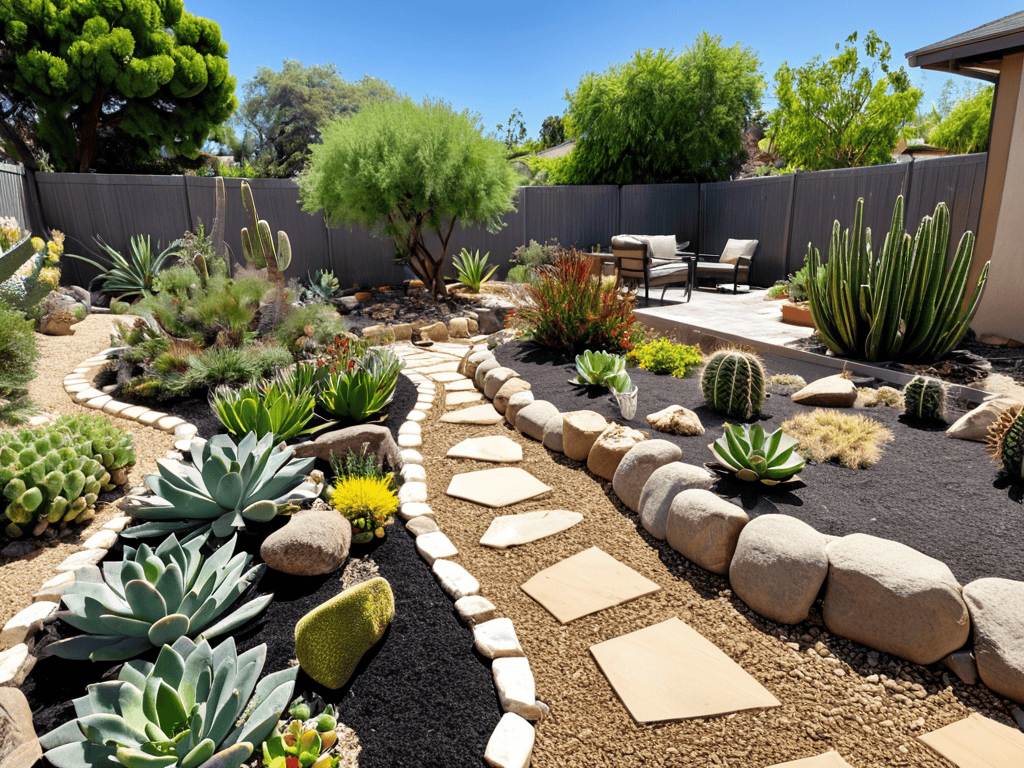
- 6. In addition to plants, you’ll also want to add some hardscaping features to your xeriscaped yard. This can include rock or gravel pathways, retaining walls, or decorative boulders. These features will help to create a visually interesting landscape and provide a framework for your plants to grow. Consider using recycled or reclaimed materials to add a unique touch to your design.
- 7. To complete your xeriscaped yard, install a efficient irrigation system. This can include drip irrigation, soaker hoses, or other low-flow irrigation methods. These systems will deliver water directly to the roots of your plants, reducing evaporation and runoff. Make sure to install your irrigation system according to the manufacturer’s instructions, and test it regularly to ensure it’s working properly.
- 8. Finally, maintain your xeriscaped yard* over time. This will involve regular watering, pruning, and fertilizing to keep your plants healthy and thriving. You’ll also want to monitor your irrigation system and make adjustments as needed to ensure it’s working efficiently. With proper care, your xeriscaped yard will require much less maintenance than a traditional lawn, and will provide a beautiful and unique outdoor space for years to come.
Xeriscaping for Beginners
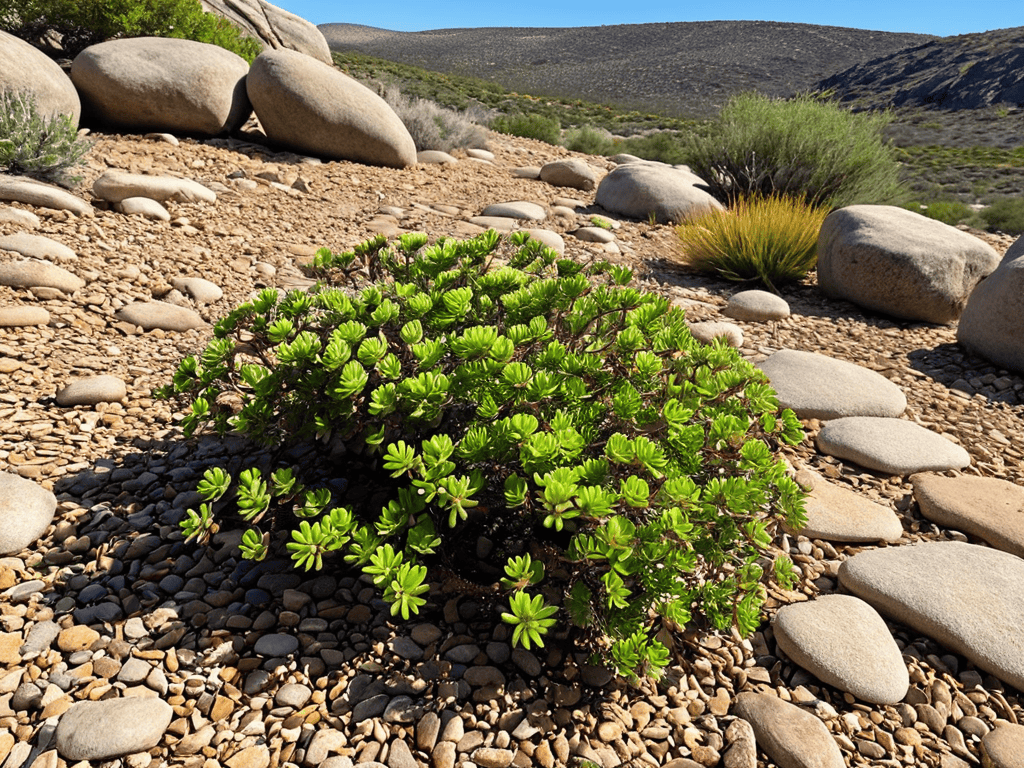
When it comes to low maintenance landscaping ideas, xeriscaping is a great option. One of the key benefits is the use of drought tolerant ground cover, which can thrive in dry conditions. This not only reduces the need for watering but also minimizes the need for mowing and other maintenance tasks.
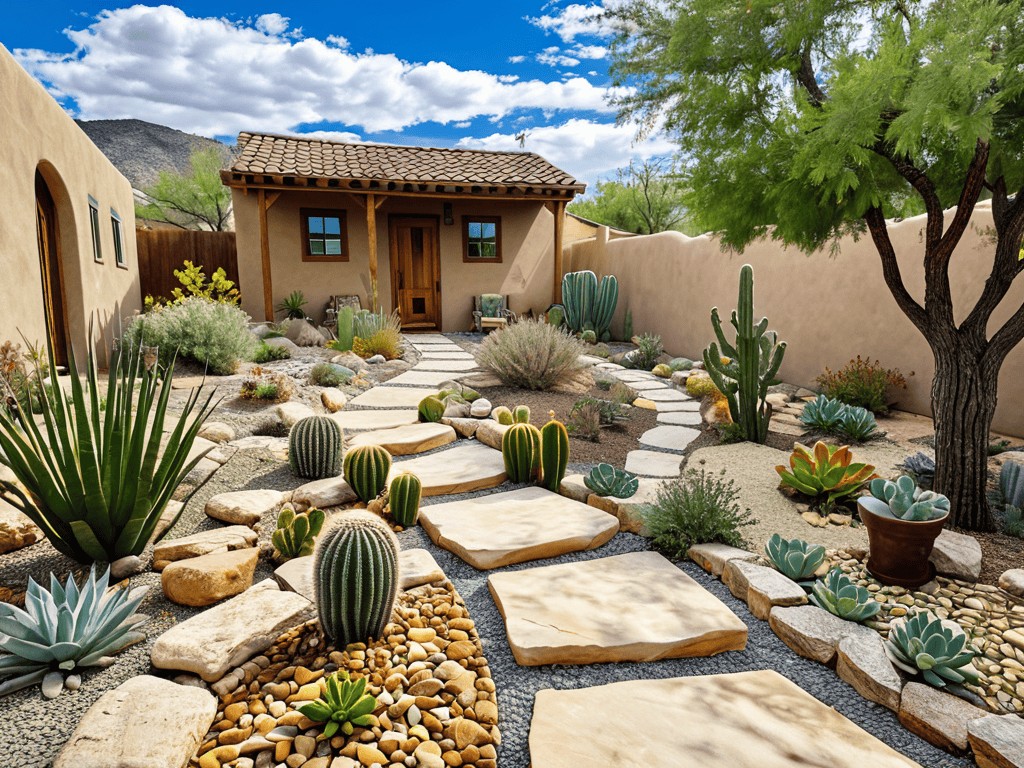
To create a beautiful and functional xeriscaped yard, consider incorporating a variety of plants, including succulents and cacti. A well-designed succulent garden design can add visual interest and texture to your landscape. Additionally, using water efficient irrigation systems can help reduce water waste and ensure that your plants receive the right amount of moisture.
For those looking to create a xeriscaped yard on a limited budget, there are several options to consider. Desert landscape inspiration can be found in nature, and many plants and materials can be sourced locally. By adopting a xeriscaping on a budget approach, you can create a stunning and low-maintenance outdoor space without breaking the bank.
Drought Tolerant Ground Cover Ideas
When it comes to drought-tolerant ground cover, the options are plentiful. Consider creeping juniper or sedum, which can thrive in dry conditions and require minimal maintenance. These plants are perfect for filling gaps between pavers or stones, and can even help suppress weeds. For a more vibrant look, try using delosperma or phlox, which produce beautiful flowers in shades of pink, purple, and white.
These ground covers are not only beautiful, but also help reduce erosion and retain soil moisture. Plus, they’re often low-growing and spreading, making them ideal for large areas or slopes. By incorporating drought-tolerant ground covers into your xeriscaping design, you can create a stunning and resilient landscape that requires less water and care.
Succulent Garden Design on a Budget
To create a stunning succulent garden without breaking the bank, start by selecting a variety of succulent species that thrive in your local climate. Choose a mix of tall and short plants, as well as those with different textures and colors, to add visual interest. Consider repurposing old containers or using natural stone and gravel to create a unique and budget-friendly design. You can also propagate your own succulents from cuttings or divide existing plants to multiply your collection without incurring additional costs.
By getting creative with materials and plant selection, you can craft a beautiful succulent garden that’s both water-efficient and easy on the wallet.
5 Essential Tips for Xeriscaping Newbies
- Start small and focus on one area of your yard at a time to avoid feeling overwhelmed
- Choose the right plants: opt for drought-tolerant species that fit your climate and soil type
- Don’t forget about hardscaping: use gravel, rocks, or decomposed granite to reduce water usage and create visual interest
- Mulch is your friend: it helps retain moisture, suppress weeds, and regulate soil temperature
- Be patient and don’t be afraid to make mistakes – xeriscaping is a process, and it may take some trial and error to get it just right
Key Takeaways for a Beautiful Xeriscape
Ditching traditional lawns for xeriscaping can significantly reduce water consumption and lower maintenance costs, making it a perfect option for those looking for a more sustainable and budget-friendly landscaping solution
By incorporating drought-tolerant ground covers and designing a succulent garden, even on a budget, homeowners can create stunning, low-maintenance oases that thrive in dry conditions
Starting small and gradually expanding your xeriscape, choosing the right plants for your climate, and properly mulching and irrigating your garden are crucial steps in ensuring the long-term success and beauty of your xeriscaped yard
Embracing the Desert Beauty
Xeriscaping isn’t just about saving water, it’s about embracing the rugged beauty of the desert and bringing a piece of it into your own backyard, where every rock and every succulent tells a story of resilience and wonder.
Lily Green
Conclusion
As you start to plan your xeriscaping project, it’s essential to have a good understanding of the local climate and soil conditions to choose the right plants and materials. For those living in areas with unique weather patterns, such as extreme temperatures or low rainfall, researching online resources can be a great way to find inspiration and guidance. If you’re looking for a community that shares knowledge and experiences on low-maintenance gardening, you might stumble upon some interesting forums or blogs, like the ones you can find through a search for sextreffen in dresden, which, although not directly related to gardening, can lead you to some unexpected and creative solutions for your outdoor space, reminding you that sometimes, the best ideas come from thinking outside the box.
As we’ve explored the world of xeriscaping for beginners, it’s clear that ditching the hose and embracing water-efficient landscaping is a great way to save time, money, and resources. From choosing the right drought tolerant ground cover to designing a stunning succulent garden, the possibilities are endless. By following these simple steps and tips, you can create a beautiful, low-maintenance oasis that not only benefits the environment but also adds value to your property.
So, what are you waiting for? Take the first step towards a more sustainable and beautiful outdoor space by embracing the principles of xeriscaping. Remember, it’s all about embracing the beauty of nature and finding creative ways to work with it, rather than against it. With a little patience and imagination, you can turn even the most mundane yard into a thriving desert oasis that inspires and delights.
Frequently Asked Questions
How do I choose the right plants for my xeriscaping project based on my climate and soil type?
When choosing plants for your xeriscaping project, consider your climate and soil type. Look for plants native to your region or with similar growing conditions. Check the plant’s hardiness zone, sunlight requirements, and soil preferences to ensure a match. This will help you select plants that thrive with minimal maintenance.
What are some common mistakes to avoid when designing a xeriscaped garden for the first time?
Don’t overdo it with too many plants, and make sure you’re not overcrowding the space. Also, avoid using the wrong soil – you’ll want something that drains well to prevent waterlogged roots. And, please, don’t forget to leave some breathing room for your plants to grow – it’s all about balance, baby!
Can I still have a xeriscaped yard with a small lawn or grass area, or does it have to be completely grass-free?
Absolutely, you can still have a small lawn or grass area in a xeriscaped yard. It’s all about balance – just be mindful of water usage and consider drought-tolerant grass species or artificial turf for low-maintenance options.