
I still remember the feeling of being stuck in debt, with a credit score that seemed to be holding me back from achieving my financial goals. The common myth is that improving your credit score requires a lot of complex financial knowledge, but I’ve learned that how to improve your credit score is actually quite straightforward. It’s not about having a degree in finance or being a financial expert; it’s about making simple, consistent changes to your daily habits. I’ve been there, done that, and got the t-shirt – and I’m excited to share my journey with you.
In this article, I’ll give you the no-nonsense advice you need to start boosting your credit score. You won’t find any get-rich-quick schemes or unrealistic promises here. Instead, I’ll share my personal story of how I paid off $30k in debt and improved my credit score, and provide you with practical, actionable tips to do the same. You’ll learn how to create a plan that works for you, not against you, and how to make sustainable changes that will benefit your financial health in the long run. By the end of this article, you’ll have a clear understanding of how to improve your credit score and be well on your way to achieving financial freedom.
Table of Contents
Guide Overview: What You'll Need

Total Time: several months to 2 years
Estimated Cost: $0 – $100
Difficulty Level: Intermediate
Tools Required
- Computer with internet access
- Calculator
Supplies & Materials
- Credit Report obtained from annualcreditreport.com
- Debt Repayment Plan created based on individual financial situation
Step-by-Step Instructions
- 1. First, let’s start with the basics: understanding what a credit score is and how it’s calculated. Your credit score is a three-digit number that represents your creditworthiness, and it’s calculated based on your payment history, credit utilization, length of credit history, credit mix, and new credit inquiries. Knowing your credit score is the first step to improving it, so make sure you check your credit report regularly to see where you stand.
- 2. Next, paying your bills on time is crucial to improving your credit score. Late payments can significantly lower your credit score, so set up payment reminders or automate your payments to ensure you never miss a payment. I learned this the hard way when I missed a payment on my credit card bill and saw my credit score drop by 50 points. Creating a budget and prioritizing your debt payments can help you stay on track.
- 3. The third step is to reduce your debt: high credit utilization can negatively impact your credit score. Try to keep your credit utilization ratio below 30% by paying off high-interest debt and avoiding new credit inquiries. Consolidating your debt into a lower-interest loan or credit card can also help you pay off your debt faster and improve your credit utilization ratio.
- 4. Fourth, monitoring your credit report is essential to ensuring that it’s accurate and up-to-date. You can request a free credit report from each of the three major credit bureaus (Experian, TransUnion, and Equifax) once a year. Reviewing your credit report carefully can help you identify errors or inaccuracies that may be affecting your credit score.
- 5. Fifth, avoiding new credit inquiries can help you improve your credit score over time. Applying for multiple credit cards or loans in a short period can negatively impact your credit score, so only apply for credit when necessary. Spacing out your credit applications can help you avoid a significant drop in your credit score.
- 6. Sixth, building a long credit history can help improve your credit score. This means keeping old accounts open and in good standing, as a longer credit history can positively impact your credit score. Avoiding account closures can help you maintain a long credit history and improve your credit score over time.
- 7. Seventh, diversifying your credit mix can help improve your credit score. This means having a mix of different credit types, such as credit cards, loans, and a mortgage. Maintaining a good credit mix can help you demonstrate your ability to manage different types of credit responsibly and improve your credit score.
- 8. Finally, tracking your progress is essential to improving your credit score. Use a spreadsheet or a budgeting app to track your debt payments, credit utilization ratio, and credit score over time. Celebrating your milestones can help you stay motivated and encouraged throughout your journey to improving your credit score.
Boosting Credit Scores

As I delved deeper into understanding my credit score, I realized the importance of credit utilization ratio. It’s not just about paying your bills on time, but also about keeping your credit card balances low. I made sure to keep my utilization ratio below 30%, which had a significant impact on my credit score. By doing so, I was able to demonstrate responsible credit behavior and improve my overall creditworthiness.
When it comes to paying off debt, having a solid strategy in place is crucial. I focused on prioritizing my debts, tackling the ones with the highest interest rates first. This approach allowed me to make significant progress in a short amount of time. It’s also essential to understand credit report errors, as they can negatively affect your credit score. I made sure to regularly review my credit report and dispute any errors I found.
By following these tips and maintaining good credit habits, I was able to build a strong foundation for my credit score. Using secured cards can also be an effective way to establish or rebuild credit. Remember, improving your credit score takes time and effort, but with the right strategies and mindset, you can achieve significant results.
Credit Score Factors Explained
When I first started my financial journey, I was overwhelmed by the various factors that influence credit scores. But, as I dug deeper, I discovered that it’s actually quite straightforward. There are five key factors: payment history, credit utilization, length of credit history, credit mix, and new credit inquiries. Understanding these factors was a game-changer for me, and I’m excited to share my knowledge with you.
By grasping how these factors work, you’ll be better equipped to make informed decisions that positively impact your credit score. For instance, I learned that paying my bills on time was crucial, as payment history accounts for a significant portion of my credit score. Similarly, keeping my credit utilization ratio in check has also been vital in maintaining a healthy credit score.
Paying Off Debt Strategically
Paying off debt is a crucial step in boosting your credit score. I learned this the hard way, having once struggled with $30k in debt. My approach was to prioritize high-interest debts first, tackling those with the highest interest rates. By doing so, I saved a significant amount in interest payments over time.
I also made sure to automate my payments, setting up a schedule that worked for me. This helped me stay on track and avoid missed payments, which can negatively impact your credit score. By paying off debt strategically, you can start to see improvements in your credit score, setting yourself up for long-term financial success.
5 Essential Tips to Supercharge Your Credit Score
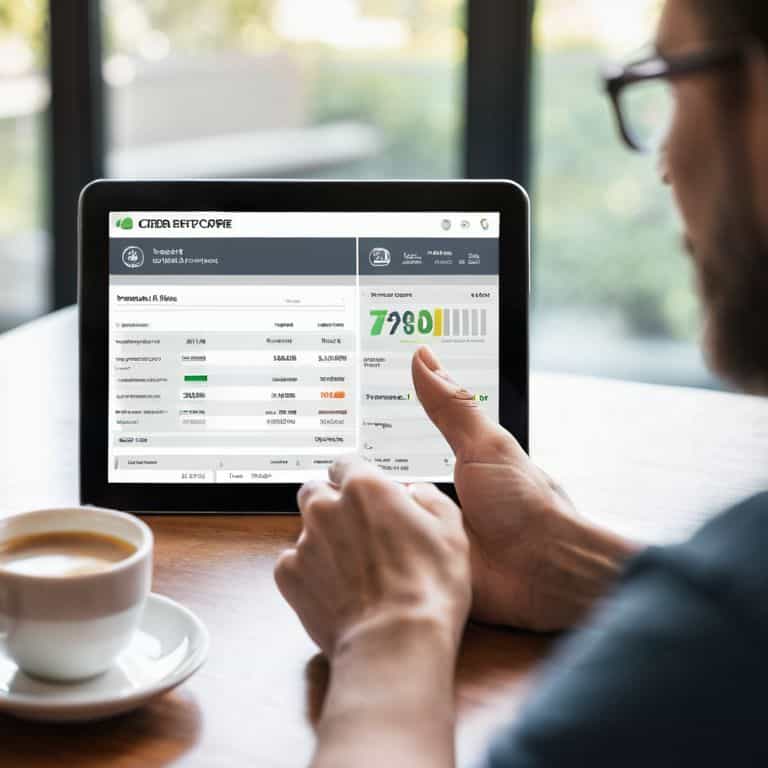
- Make On-Time Payments a Priority: I learned the hard way that missing a payment can hurt your credit score, so I set up automatic payments for all my bills to ensure I never miss a deadline
- Keep Credit Utilization Below 30%: I used to max out my credit cards, but then I discovered that keeping my utilization ratio low can significantly boost my credit score – it’s been a game-changer
- Monitor Your Credit Report for Errors: I found out that a single error on my credit report was dragging down my score, so I make it a point to review my report regularly and dispute any mistakes
- Don’t Open Too Many New Credit Accounts: When I was trying to rebuild my credit, I applied for multiple credit cards, which actually hurt my score – now I know that it’s better to space out new credit inquiries
- Be Patient and Consistent: Improving your credit score takes time, so I remind myself to stay focused on my long-term goals and celebrate small victories along the way, like paying off a debt or reaching a new credit score milestone
Key Takeaways to Boost Your Credit Score
Pay your bills on time, every time, to establish a strong payment history, which accounts for a significant portion of your credit score
Strategically pay off debt by focusing on high-interest loans first and minimizing credit utilization to demonstrate responsible credit behavior
Regularly review your credit report for errors and monitor your credit score to track progress and make adjustments to your financial plan as needed
A Simple yet Powerful Truth
Improving your credit score isn’t about being perfect with your payments, it’s about being consistent and patient – every on-time payment is a step closer to financial freedom.
Alex Barnes
Conclusion: Taking Control of Your Credit Score
As we’ve discussed, improving your credit score is a journey that requires patience, discipline, and a solid understanding of the credit score factors that influence it. By paying your bills on time, monitoring your credit report, and paying off debt strategically, you’ll be well on your way to boosting your credit score and unlocking better loan options. Remember, it’s all about building simple, sustainable habits that will serve you well in the long run. Don’t be too hard on yourself if you slip up – just get back on track and keep moving forward.
The most important thing to remember is that you have the power to take control of your credit score and transform your financial situation. By following the steps outlined in this guide and staying committed to your goals, you can achieve financial freedom and live the life you deserve. So, go ahead and schedule that weekly ‘money date‘ with yourself, and start building the financial future you’ve always wanted – it’s closer than you think, and it starts with making a few small changes today.
Frequently Asked Questions
How long does it take to see significant improvements in my credit score after implementing these strategies?
Honestly, I saw significant improvements in my credit score within 6-12 months of consistent effort. Paying bills on time and reducing debt made a huge difference. It won’t happen overnight, but stick to your plan and you’ll be on track to boosting your credit score in no time.
What are some common mistakes people make when trying to improve their credit score that I should avoid?
Honestly, I’ve been there – I used to think paying off smaller debts first was the way to go, but it’s actually more effective to tackle high-interest debts first. Another mistake is closing old accounts, which can hurt your credit utilization ratio. And, surprisingly, not monitoring your credit report for errors is a big one – it’s a simple step that can make a huge difference.
Are there any specific credit score thresholds I should aim for to qualify for better loan rates or credit card offers?
Honestly, I aimed for a credit score above 720 to unlock better loan rates and credit card offers. That’s when I started noticing significant improvements in the deals I qualified for. Of course, the higher the score, the better, but 720 was my personal benchmark for seeing real benefits.