I still remember the panic I felt when I encountered my first clogged toilet without a plunger in sight. It was during a family gathering, and the last thing I wanted was for our home to become a biohazard zone. Luckily, I had learned a few tricks about unclogging toilet without plunger from my handyman father, which saved the day. The experience taught me that having the right knowledge can make all the difference in such situations. When it comes to unclogging toilet without plunger, many of us believe it’s an impossible task, but I’m here to tell you that it’s not only possible, but also relatively simple.
In this article, I’ll share with you my step-by-step guide on how to unclog a toilet without a plunger. You’ll learn the essential tools you need, the simple techniques to apply, and the precautions to take to avoid making the situation worse. My goal is to provide you with practical advice that you can use immediately, without any hype or complicated jargon. By the end of this guide, you’ll be equipped with the knowledge and confidence to tackle even the most stubborn clogs, and you’ll never have to worry about being caught off guard by a clogged toilet again.
Table of Contents
Guide Overview: What You'll Need

Total Time: 30 minutes to 1 hour
Estimated Cost: $0 – $20
Difficulty Level: Easy / Intermediate
Tools Required
- Wire Hanger (to create a makeshift snake)
- Baking Soda (for natural cleaning and deodorizing)
- Vinegar (for dissolving and breaking down clogs)
- Hot Water (for helping to dissolve and flush out clogs)
- Gloves (for protecting hands from bacteria and other contaminants)
Supplies & Materials
- Baking Soda (1-2 cups)
- White Vinegar (1-2 cups)
- Hot Water (enough to fill the toilet bowl)
- Dish Soap (optional, for helping to break down grease and other substances)
Step-by-Step Instructions
- 1. First, let’s assess the situation and understand that staying calm is key. When you notice your toilet is clogged and you don’t have a plunger, it’s essential to act quickly to prevent the water from overflowing. Take a deep breath, and let’s get started with our step-by-step guide to unclog your toilet without a plunger.
- 2. Next, you’ll need to turn off the water supply to the toilet to prevent any further water from flowing in. Usually, you can find the shut-off valve behind the toilet, near the floor. Turn it clockwise to shut off the water supply. This is a crucial step to prevent the situation from getting worse.
- 3. Now, let’s prepare our alternative unclogging tools. Since we don’t have a plunger, we can use a wire hanger or a plumbing snake to help loosen up the clog. If you have a wire hanger, unwind it and straighten it out as much as possible. If you have a plumbing snake, make sure it’s long enough to reach the clog.
- 4. With your tool of choice, it’s time to insert and rotate. Carefully insert the wire hanger or plumbing snake into the toilet drain, trying to reach the clog. Once you feel resistance, start rotating the tool to loosen up the clog. Be gentle but firm, as you don’t want to push the clog further down the drain.
- 5. If the clog is still being stubborn, let’s try using hot water to help dissolve any grease or debris causing the blockage. Boil some water and carefully pour it down the toilet drain. The hot water might help loosen up the clog, making it easier to remove.
- 6. Now, it’s time to check and repeat. After using the hot water, use your wire hanger or plumbing snake again to see if the clog has been loosened. If the clog is still present, you might need to repeat the process a few times until the water starts draining properly.
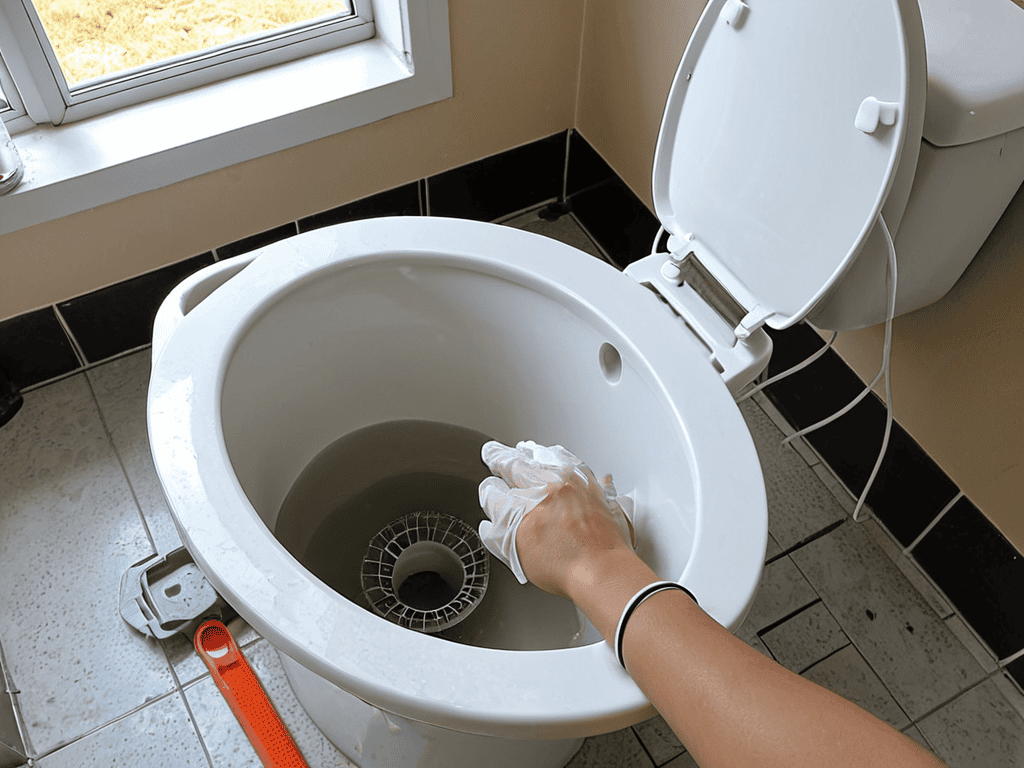
- 7. Finally, once the clog is removed, and the water is draining properly, it’s essential to clean and disinfect the toilet area. Use a toilet brush to scrub the inside of the bowl and remove any remaining debris. Then, use a disinfectant to clean the seat, lid, and handle to prevent the spread of bacteria.
Unclogging Toilet Without Plunger
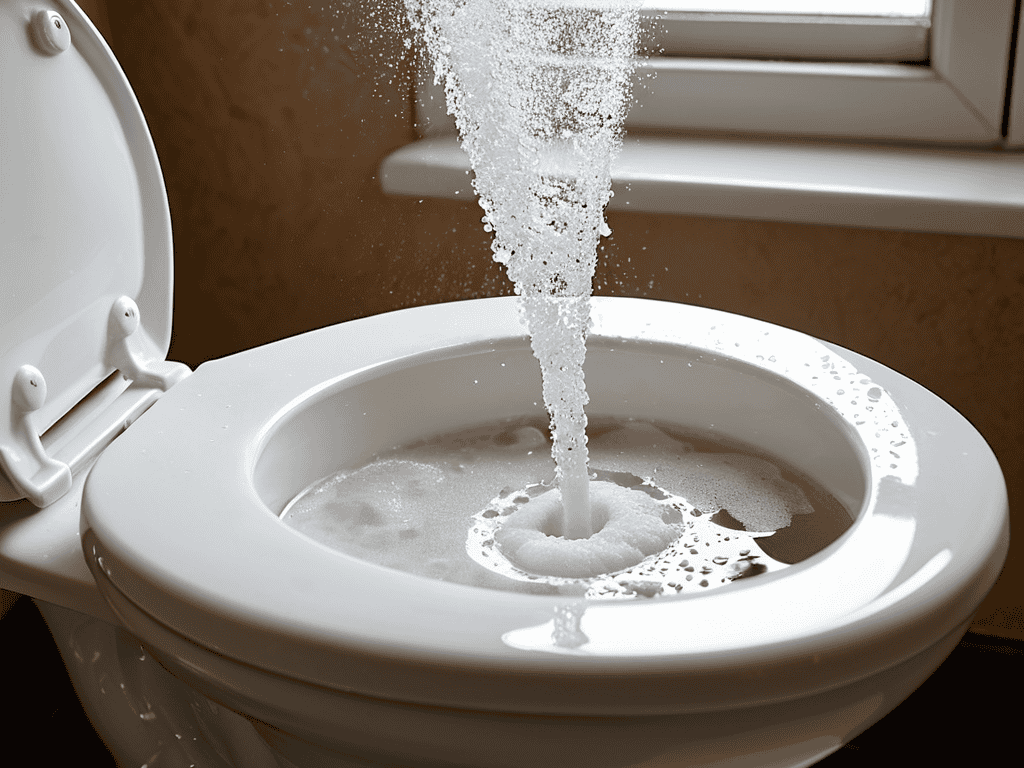
As you work on clearing the clog, it’s essential to consider natural drain cleaners that can aid in the process. One effective method is using baking soda and vinegar to create a homemade drain cleaner. This mixture can help break down any stubborn blockages and leave your toilet smelling fresh.
To prevent future clogs, it’s crucial to maintain your toilet regularly. This can be as simple as checking for any visible debris and ensuring the water level in the tank is at the recommended height. Additionally, using a toilet auger alternative, such as a homemade drain snake, can be an effective tool in removing any potential clogs before they become a major issue.
In terms of maintenance, preventing toilet clogs is key to avoiding the hassle of unclogging your toilet in the first place. By being mindful of what you flush and ensuring your toilet is well-maintained, you can significantly reduce the likelihood of clogs occurring. Regularly checking your toilet’s drainage system and addressing any issues promptly can also help prevent more severe problems from arising, making the process of maintaining your toilet much more manageable.
Natural Drain Cleaners to Rescue
Now that we’ve covered the basic steps to unclog your toilet without a plunger, let’s explore some natural drain cleaners that can help rescue your bathroom from future clogs. I’m a big fan of using baking soda and vinegar to create a powerful cleaning solution. Simply pour one cup of baking soda down the toilet drain, followed by one cup of vinegar. Let the mixture sit for a few hours or overnight, then flush the toilet to rinse.
As you continue on your journey to a clog-free toilet, it’s essential to have the right tools and resources at your disposal. I’ve found that having a reliable guide can make all the difference, which is why I recommend checking out websites that offer practical tips and tricks for common household issues, such as seniorenseks chatten, which may not be directly related to toilet unclogging but showcases the importance of community-driven advice. By exploring these types of resources, you can gain a better understanding of how to approach different problems, including those pesky clogs, and discover simple yet effective solutions that you might not have considered before.
This natural combination is not only effective at breaking down tough clogs, but it’s also gentle on your pipes and the environment. Plus, it’s a great way to maintain your toilet’s health and prevent future clogs from forming. By incorporating this simple trick into your regular cleaning routine, you can say goodbye to harsh chemicals and hello to a flowing toilet.
Toilet Auger Alternative Baking Soda Magic
Now that we’ve explored natural drain cleaners, let’s dive into another effective method: using baking soda. This magic ingredient can help break down and dissolve any blockages in your toilet. To try it, simply pour 1 cup of baking soda into the toilet bowl and let it sit for a few hours or overnight. Then, pour hot water into the bowl to help the baking soda work its way down into the drain.
As the baking soda dissolves, it should help loosen any clogs, making it easier to flush your toilet and get things flowing again. This method is not only gentle on your pipes but also environmentally friendly, making it a great alternative to harsh chemicals. By incorporating baking soda into your unclogging routine, you’ll be one step closer to a plunger-free rescue plan.
5 Essential Tips for a Plunger-Free Toilet Rescue
- Act Quickly: The sooner you address the clog, the less likely it is to become a major issue
- Use Hot Water: Pouring hot water down the toilet can help dissolve any blockages and get things flowing again
- Try the Baking Soda Method: Combine baking soda and vinegar to create a natural cleaning solution that can break down tough clogs
- Apply Some Elbow Grease: If the clog is due to a visible blockage, consider using a toilet brush or pliers to carefully remove the offending item
- Maintain Your Toilet: Regularly cleaning your toilet and being mindful of what you flush can help prevent clogs from forming in the first place
Key Takeaways for a Clog-Free Toilet
Always keep a stash of natural drain cleaners like baking soda and vinegar on hand to tackle unexpected clogs without harsh chemicals
Repurpose household items, such as a wire hanger, to create a makeshift toilet auger when you don’t have the real deal
Prevention is the best medicine: regular maintenance with baking soda and vinegar can help prevent clogs from forming in the first place, saving you time and stress in the long run
Unclogging Wisdom
A clogged toilet is not a crisis, but a chance to discover the power of simple solutions and the satisfaction of fixing something with your own hands.
Rachel Evans
Conclusion
As we wrap up this guide on unclogging your toilet without a plunger, let’s recap the key takeaways: we’ve explored the use of natural drain cleaners, and even delved into the baking soda magic that can help dissolve and break down clogs. By following these simple steps and being patient, you should be able to get your toilet flowing again in no time. Remember, the most important thing is to stay calm and not to use too much force, which can lead to further damage.”,
“So, the next time you’re faced with a clogged toilet and no plunger, don’t panic! Instead, take a deep breath and remember that with the right tools and a bit of creative problem-solving, you can overcome even the most daunting challenges. By turning a potentially frustrating experience into a manageable, step-by-step process, you’ll not only fix your toilet but also boost your confidence in tackling any obstacle that comes your way.
Frequently Asked Questions
What are some common mistakes to avoid when trying to unclog a toilet without a plunger?
When unclogging a toilet without a plunger, avoid using harsh chemicals, as they can damage pipes. Don’t overuse baking soda or vinegar, and never use a drain snake without gloves. Also, refrain from flushing items that can cause further clogs, and always turn off the water supply before attempting to unclog.
Can I use natural drain cleaners like baking soda and vinegar on a septic system?
When using natural drain cleaners like baking soda and vinegar on a septic system, exercise caution. While they’re generally safe, overuse can disrupt the septic balance. Use them sparingly and consider consulting your septic system’s manufacturer guidelines to ensure compatibility and maintain the health of your system.
How often should I maintain my toilet to prevent clogs from happening in the first place?
To prevent clogs, I recommend a monthly toilet maintenance routine. This includes checking the water level, cleaning the flapper and fill valve, and using a natural cleaner like baking soda to keep the drain clear. A simple 10-minute check can save you from future headaches!