
I still remember the frustration of trying to get my first credit card. I was a college student with no credit history, and every application I submitted was met with a rejection letter. The myth that you need a long credit history to qualify for a credit card is simply not true. In fact, I learned that with the right strategy and knowledge, anyone can get their first credit card and start building their credit score. If you’re struggling to navigate the process of how to get your first credit card, you’re not alone.
In this article, I’ll share my personal experience and provide you with practical advice on how to increase your chances of approval. You’ll learn how to choose the right card for your needs, how to prepare your application, and how to avoid common mistakes that can lead to rejection. My goal is to give you a step-by-step guide on how to get your first credit card, so you can start building your credit score and achieving your financial goals. By the end of this article, you’ll have a clear understanding of the process and be ready to take the first step towards financial freedom.
Table of Contents
Guide Overview: What You'll Need
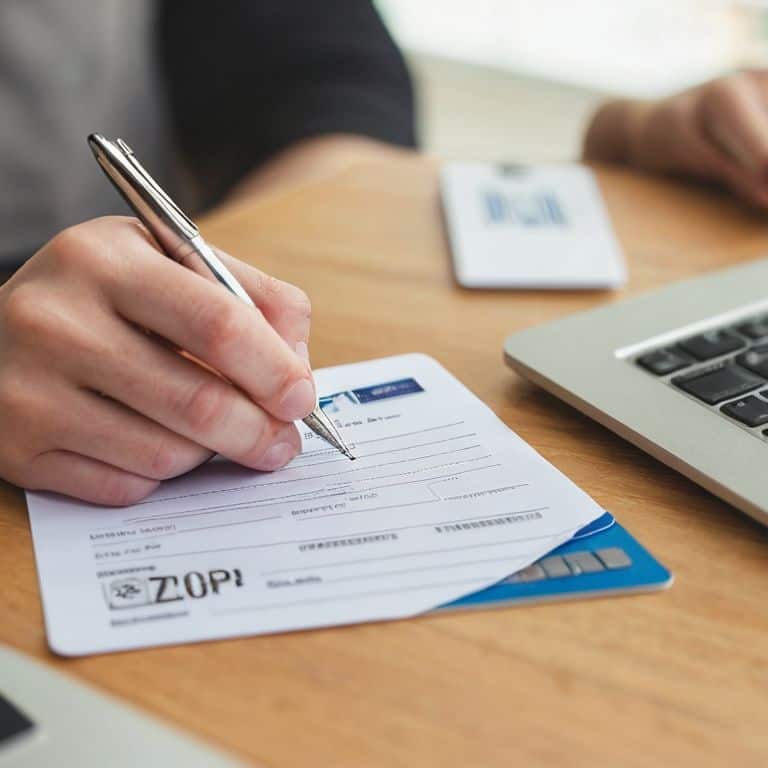
Total Time: 1 hour 30 minutes
Estimated Cost: $0 – $100
Difficulty Level: Easy
Tools Required
- Computer or Mobile Device (with internet connection)
- Identification Documents (such as passport, driver’s license, or state ID)
Supplies & Materials
- Credit Card Application (available online or in-person at a bank or credit union)
- Proof of Income (such as pay stub or tax return)
- Social Security Number or Individual Taxpayer Identification Number
Step-by-Step Instructions
- 1. First, let’s establish a baseline for your financial health by checking your credit score. You can request a free credit report from the three major credit bureaus (Experian, TransUnion, and Equifax) once a year. This will give you an idea of where you stand and help you identify any errors or areas for improvement. Understanding your credit score is crucial, as it will play a significant role in determining the types of credit cards you’ll be eligible for.
- 2. Next, you’ll need to gather required documents, which typically include a valid government-issued ID, proof of income, and proof of address. Having these documents ready will streamline the application process and reduce the likelihood of delays. Make sure your documents are up-to-date and easily accessible, as you’ll need to provide them when applying for your credit card.
- 3. Now, it’s time to research and compare different credit card options. Look for cards with low or no annual fees, as these can save you money in the long run. Consider cards with 0% introductory APR offers, which can provide a grace period for purchases or balance transfers. Be cautious of cards with high interest rates or strict repayment terms, as these can lead to financial difficulties down the line.
- 4. Once you’ve selected a few potential credit cards, read the fine print carefully. Pay attention to the interest rate, as this will determine how much you’ll be charged if you carry a balance. Also, look for any hidden fees, such as late payment fees or foreign transaction fees, which can add up quickly. Understanding the terms and conditions of your credit card will help you avoid costly surprises.
- 5. With your research complete, it’s time to submit your application. You can usually do this online, by phone, or in-person at a bank branch. Be prepared to provide the documents you gathered earlier, as well as other personal and financial information. Double-check your application for accuracy, as errors can lead to delays or even rejection.
- 6. After submitting your application, wait for a response from the credit card issuer. This can take anywhere from a few minutes to several weeks, depending on the issuer and your credit profile. If you’re approved, you’ll receive your new credit card in the mail, along with instructions on how to activate it. If you’re denied, don’t worry – you can try applying for a different card or working to improve your credit score before reapplying.
- 7. Finally, once you’ve received your new credit card, set up a payment plan to ensure you’re using it responsibly. Consider setting up automatic payments to pay your balance in full each month, or setting reminders to make timely payments. This will help you build credit and avoid costly interest charges. Remember to review your statement carefully each month to ensure there are no errors or suspicious transactions.
Unlock Your First Card
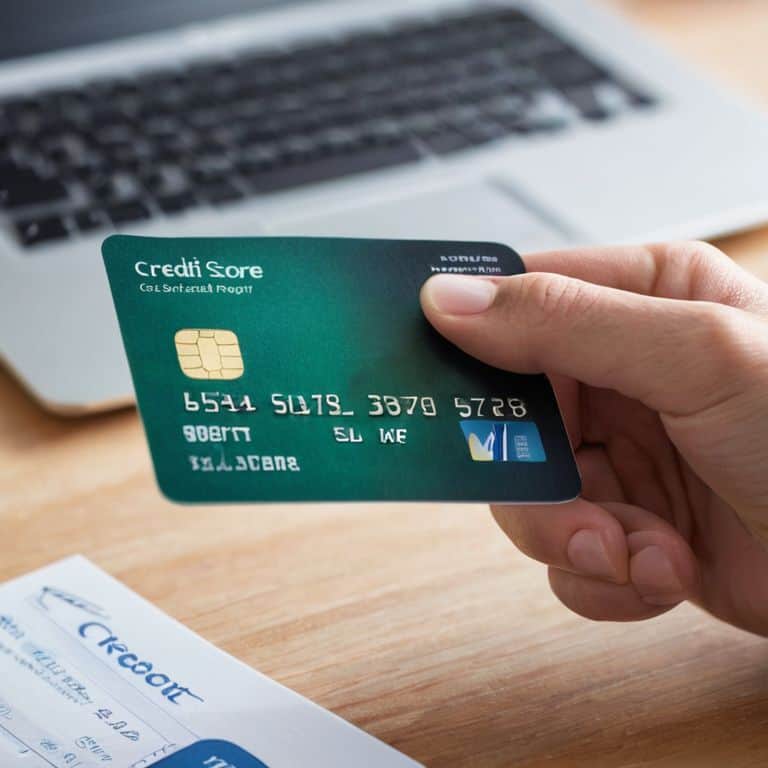
When it comes to unlocking your first card, it’s essential to understand the credit score requirements for first timers. Typically, credit card issuers require a decent credit score to approve your application. However, if you’re new to credit, you might not have an established score yet. In this case, you can consider applying for a secured credit card or becoming an authorized user on someone else’s account to start building your credit history.
As you explore the best credit cards for no credit history, keep in mind that some cards are specifically designed for beginners. These cards often have lower credit limits and higher interest rates, but they can be a great starting point. It’s crucial to apply for a credit card online through a reputable issuer and to carefully review the terms and conditions before submitting your application. Remember, your initial credit limit might be lower than you expect, but it’s a starting point to build upon.
To make the most of your first credit card, it’s vital to understand the importance of credit utilization ratio. This ratio refers to the amount of credit you’re using compared to your available limit. Keeping this ratio low is key to maintaining a healthy credit score. As a beginner, it’s easy to make mistakes, so be aware of common first credit card mistakes to avoid, such as overspending or missing payments. By being mindful of these factors, you’ll be well on your way to establishing a strong credit foundation.
Best Cards for No Credit History
When I was starting out, I had no credit history, and it was tough to get approved for a credit card. But, I found some great options that catered to beginners like me. Cards like the Secured Mastercard or the Student Credit Card are excellent choices. They often have lower credit score requirements and can help you build your credit from scratch. I opted for a secured card, which required a security deposit, but it was worth it to start building my credit.
These cards might not offer the most rewarding benefits, but they’re a great stepping stone. They’ll help you establish a positive payment history, and before you know it, you’ll be eligible for better cards with more perks. Just remember to always pay your balance in full and on time to avoid interest charges and late fees.
Credit Score Requirements for Beginners
When it comes to credit score requirements, don’t worry if you’re starting from scratch – most beginners don’t have an established credit history. For your first credit card, you can expect to qualify with a credit score ranging from 600 to 650. However, some cards are designed specifically for students or those with limited credit, which may have more lenient requirements. I remember when I was in your shoes, I had to start with a secured credit card, which helped me build my credit over time.
As a beginner, your credit score will likely be a factor in determining the interest rate and credit limit you’ll qualify for. But here’s the thing: getting your first credit card is a huge step towards building a positive credit history. By making regular payments and keeping your utilization ratio low, you’ll be on your way to improving your credit score and unlocking better financial opportunities.
5 Essential Tips to Help You Land Your First Credit Card
- Research and Understand the Fees Associated with Your First Credit Card
- Choose a Card with a Reasonable Credit Limit to Help You Build Credit
- Consider a Secured Credit Card if You’re Struggling to Get Approved for an Unsecured Card
- Make On-Time Payments to Establish a Positive Credit History from the Start
- Monitor Your Credit Utilization Ratio to Ensure You’re Not Overspending with Your New Card
Key Takeaways for Your First Credit Card
Apply for a credit card that aligns with your financial situation, considering factors such as no annual fee, low credit score requirements, and reasonable interest rates
Understand the importance of building a positive credit history from your first card, by making timely payments and keeping credit utilization below 30%
Monitor and manage your credit card account regularly, taking advantage of automated payments, alerts, and rewards programs to maximize your financial benefits and minimize potential pitfalls
A Word of Wisdom
Getting your first credit card isn’t just about applying for a piece of plastic – it’s about taking the first step towards building a lifelong relationship with your finances, and I truly believe that with the right mindset and strategy, anyone can turn their financial struggles into a story of success.
Alex Barnes
Taking the First Step Towards Financial Freedom

Getting your first credit card is a significant milestone in your financial journey, and I’m proud of you for taking this step. To recap, we’ve covered the essential steps to apply for your first credit card, from understanding the credit score requirements to choosing the best cards for no credit history. Remember, unlocking your first card is just the beginning – it’s crucial to use it responsibly and make timely payments to build a strong credit foundation. By following these steps and maintaining good credit habits, you’ll be well on your way to achieving financial stability and freedom.
As you embark on this financial journey, keep in mind that it’s okay to start small and make mistakes – I’ve been there too. The key is to be consistent, patient, and proactive about your financial education. Don’t be afraid to explore, learn, and adapt to new financial strategies and tools. With time and practice, you’ll become more confident in your ability to manage your finances and make informed decisions. So, go ahead and take that first step – you got this, and I’m rooting for you all the way to financial independence!
Frequently Asked Questions
What are the common mistakes to avoid when applying for my first credit card?
When applying for your first credit card, avoid common mistakes like not checking your credit report for errors, applying for multiple cards at once, and not understanding the terms and conditions. I learned this the hard way, but you don’t have to – take your time, do your research, and read the fine print to set yourself up for success.
How long does it typically take to get approved for a credit card with no credit history?
Honestly, approval times vary, but with no credit history, it can take anywhere from a few minutes to a few weeks. Some issuers offer instant decisions, while others may need more time to review your application. Don’t worry, it’s normal – I waited about 10 days for my first credit card approval, and it was worth it!
What are the most important factors that credit card issuers consider when deciding whether to approve my application?
When applying for a credit card, issuers mainly consider your credit score, income, debt-to-income ratio, and credit history. They want to gauge your ability to repay debts. For those with no credit history, they might look at other factors like employment status and income stability.