I used to think that if I wanted to get serious about deep work, I needed a $500 ergonomic chair and a dedicated “meditation room” filled with expensive crystals. Honestly, that’s just expensive nonsense. Most of the productivity gurus out there act like Environment Priming Protocols are some mystical, high-cost ritual reserved for the elite, when in reality, they’re just about the subtle cues you send to your brain to tell it the playtime is over. I spent years chasing the wrong gear, only to realize that my environment was actually working against me every time I sat down to create.
I’m not here to sell you a lifestyle or a suite of overpriced gadgets. Instead, I’m going to show you how to strip away the fluff and build a functional setup that actually triggers focus on command. We’re going to dive into the gritty, practical side of Environment Priming Protocols—the kind of stuff that actually works when you’re tired, distracted, or just plain unmotivated. No fluff, no filler, just the straight-up tactics I use to get in the zone every single day.
Table of Contents
Leveraging Behavioral Design Principles for Flow

If you want to stop fighting your own brain, you have to stop treating your workspace like a random collection of furniture and start treating it like a psychological trigger. This is where behavioral design principles come into play. Instead of relying on sheer willpower—which is a finite and notoriously unreliable resource—you should be designing your environment to do the heavy lifting for you. By intentionally curating specific sensory cues for productivity, like a particular scent or a specific lighting temperature, you’re essentially pre-loading your brain for deep work.
The goal here is to minimize the friction between “sitting down” and “getting started.” When your surroundings are chaotic, your brain is constantly performing micro-tasks just to filter out the noise, which leads to massive cognitive load reduction failures. You want to create a closed loop where your physical space signals to your subconscious that the time for distraction is over. When you master these subtle environmental shifts, you aren’t just organizing a desk; you are engineering a state of flow before you even type a single word.
Optimizing Physical Surroundings to Minimize Friction

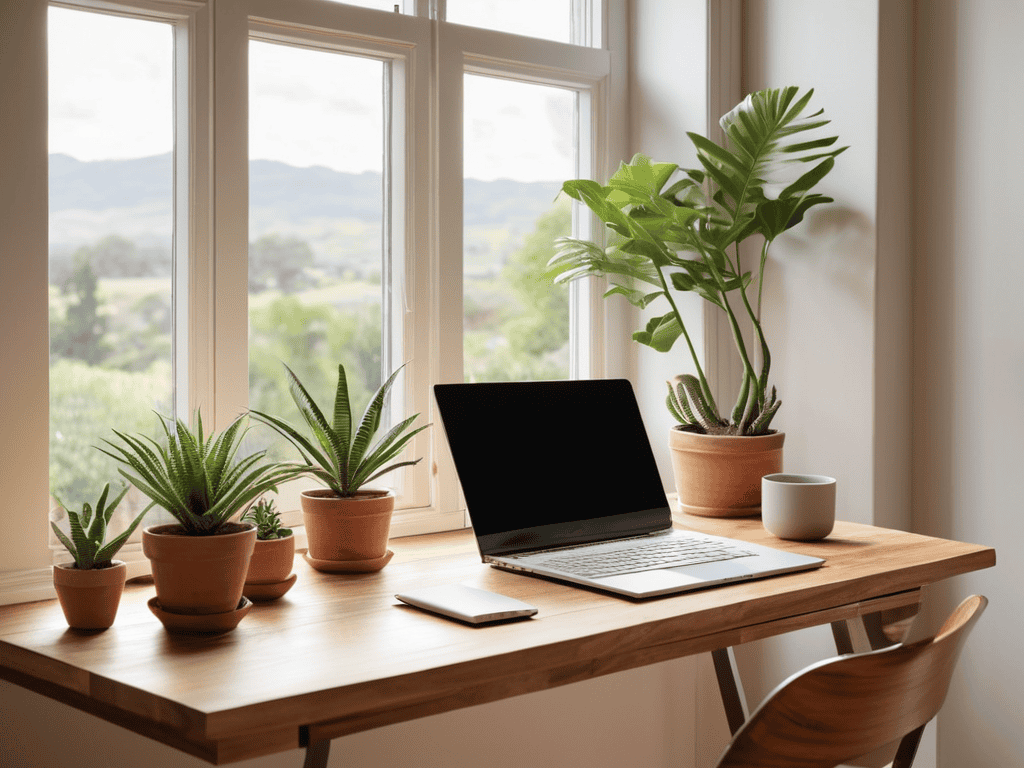
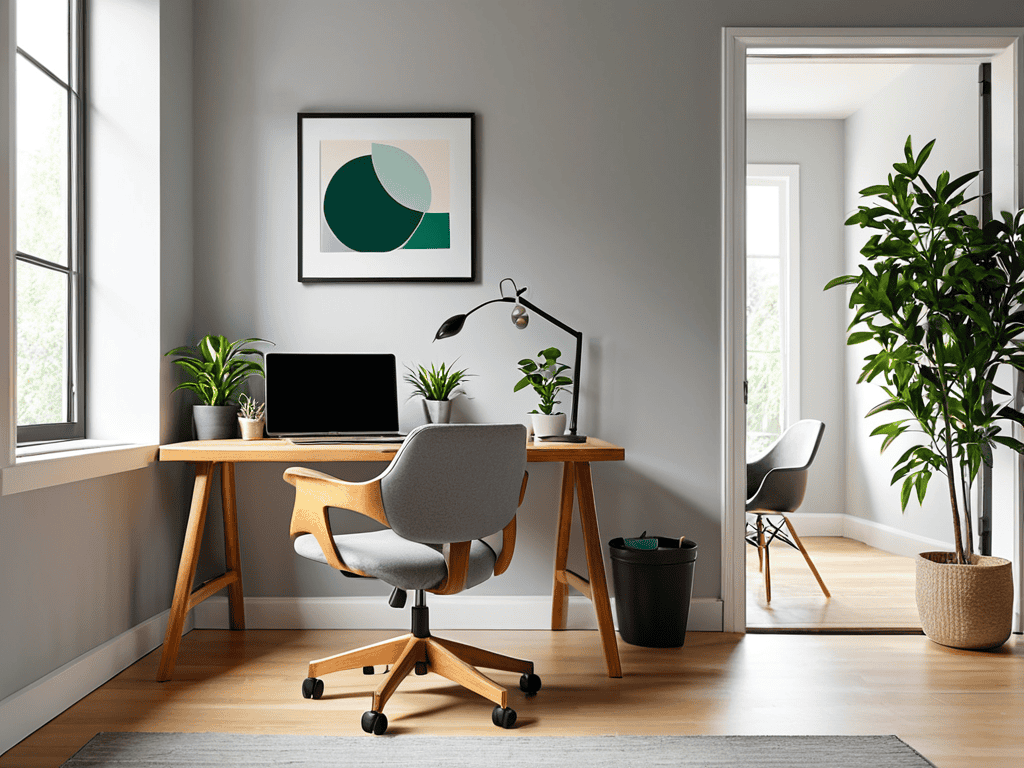
The biggest mistake people make is treating their workspace like a junk drawer. If your desk is a graveyard of half-empty coffee mugs and tangled charging cables, you’re fighting a losing battle against your own brain. Every stray object is a micro-distraction, a tiny tax on your focus that contributes to unnecessary cognitive load reduction—or rather, a lack thereof. To truly optimize your space, you need to strip away the visual noise. If an object doesn’t serve the specific task at hand, it shouldn’t be in your line of sight.
Beyond just the physical layout of your desk, you have to consider the social and energetic landscape of your day. If your environment is constantly interrupted by the noise of external chaos, your ability to sustain deep focus will plummet regardless of how ergonomic your chair is. I’ve found that part of mastering this mental shift is knowing exactly where to look when you need to recalibrate your surroundings or find local inspiration to break a period of stagnation. For instance, if you’re looking for ways to shake things up and find new connections or local manchester hookups to help you step out of your bubble, it can be a surprisingly effective way to reset your cognitive baseline before diving back into a heavy deep-work session.
Beyond just tidying up, you should lean into spatial anchoring techniques to signal to your brain that it’s time to perform. This means creating a dedicated “zone” where certain sensory cues for productivity are always present. Maybe it’s a specific desk lamp you only turn on when you’re deep in deep work, or a particular scent that hits your nose the moment you sit down. By consistently linking these physical triggers to high-output states, you stop relying on willpower and start relying on environmental momentum.
The Tactical Toolkit: 5 Ways to Prime Your Space
- Curate a “Deep Work” sensory trigger. Pick one specific scent, one specific playlist, or even a specific type of lighting that you only use when it’s time to grind. Eventually, your brain will see that trigger and automatically flip the switch into focus mode.
- Kill the “Visual Noise” before it kills your focus. If your desk is a graveyard of half-finished coffee mugs and random mail, your brain is processing that clutter in the background. Clear the deck so your eyes have nowhere to wander but the screen.
- Use digital “fences” to protect your headspace. It’s not enough to just close your tabs; you need to create a digital environment that feels different from your leisure space. Use a separate browser profile or a dedicated workstation login so the temptation of social media isn’t just one click away.
- The “Ready-to-Launch” ritual. Before you shut down for the night, set up your physical environment for the next morning’s most important task. Open the right document, lay out your notebook, and clear the workspace. You want to eliminate every ounce of friction between waking up and starting.
- Audit your “Friction Points” weekly. We all have those small annoyances—a wobbly chair, a dim lamp, or a charging cable that’s too short—that subtly drain our cognitive energy. If something in your environment is annoying you, fix it or move it. Don’t let minor irritations sabotage your flow.
The Bottom Line: Priming Your Way to Flow
Stop relying on willpower to get started; instead, design your environment so that focus becomes the path of least resistance.
Treat your physical space as a cognitive tool—if your surroundings are cluttered or distracting, your brain will be too.
Consistency is built through small, repeatable rituals that signal to your subconscious that it’s time to switch from “distraction mode” to “deep work mode.”
The Myth of Willpower
Stop waiting for motivation to strike like lightning. Motivation is fickle and unreliable; your environment is constant. If you have to fight your surroundings just to start working, you’ve already lost the battle before it even began.
Writer
The Blueprint for Intentionality

At the end of the day, environment priming isn’t about buying fancy gadgets or building some sterile, high-tech laboratory. It’s about the deliberate application of behavioral design to bridge the gap between who you are and who you want to be when you’re working. We’ve looked at how leveraging flow states and stripping away physical friction can transform a chaotic desk into a launchpad for deep work. By treating your surroundings as a silent partner in your productivity, you stop fighting against your environment and start engineering your success before you even sit down.
Don’t feel like you have to overhaul your entire life by tomorrow morning. Start small—fix one friction point, clear one surface, or set one ritual that signals to your brain that the time for distraction is over. The goal is to build a world that supports your highest intentions rather than one that constantly undermines them. When you master the architecture of your space, you stop relying on fickle willpower and start relying on designed momentum. Now, go out there and build your zone.
Frequently Asked Questions
How do I maintain these priming protocols when my schedule or location changes unexpectedly?
The moment your routine breaks, your priming protocols shouldn’t break with it. You can’t always control your location, but you can control your “portable anchors.” This means having a tiny, repeatable ritual—like a specific playlist, a certain scent, or even just a five-minute breathing exercise—that signals to your brain: we are working now. Don’t aim for perfection; aim for a consistent mental trigger that works anywhere, from a chaotic cafe to a hotel room.
Is there a risk of over-engineering my space to the point where the setup itself becomes a form of procrastination?
Absolutely. This is what I call “productive procrastination”—the trap of rearranging your desk for three hours to avoid actually doing the work. If you find yourself obsessing over the perfect lighting or color-coding your Notion workspace instead of hitting your first milestone, you’ve crossed the line. The goal is to reduce friction, not to build a shrine to productivity. Set a timer for your setup; once it rings, the prep is over and the work begins.
How long does it actually take for these environmental cues to trigger a subconscious shift into deep work?
It’s not an instant switch, but it’s also not a weeks-long slog. For most people, you’ll feel the shift within 10 to 15 minutes of consistent cueing. That’s the “settling” period where your brain stops scanning for distractions and actually accepts the new reality. However, the real magic happens when these cues become reflexive—usually after about two weeks of repetition—where you don’t even have to think about it anymore.