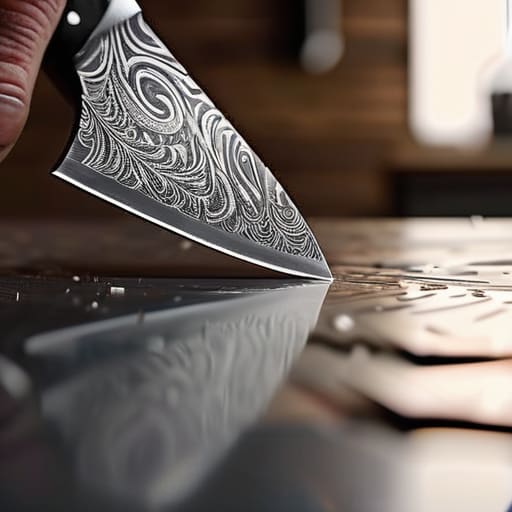
Stop letting high-end boutique brands bully you into thinking a $400 blade is a mandatory business expense. I’ve seen too many small business owners—and even home cooks—fall for the marketing fluff, thinking a heavy bolster or a fancy Damascus pattern equates to performance. It’s a scam. Most of these “premium” tools fail the moment they hit a real-world workload, and if you aren’t using the best ways to test kitchen knives before you swipe your card, you’re essentially throwing your capital into a black hole. A shiny handle doesn’t mean a damn thing if the edge retention is garbage after three days of prep work.
I’m not here to sell you on a lifestyle or tell you which brand has the prettiest packaging. My goal is to give you a rigorous, data-driven framework to evaluate steel like a professional. We’re going to look at edge stability, balance, and actual cutting efficiency through a series of practical, hands-on stress tests. I’ll show you how to separate the high-ROI tools from the overpriced junk so you can build a kitchen arsenal that actually delivers long-term value without the unnecessary markup.
The Paper Slice Test for Knives Real Precision or Marketing Hype
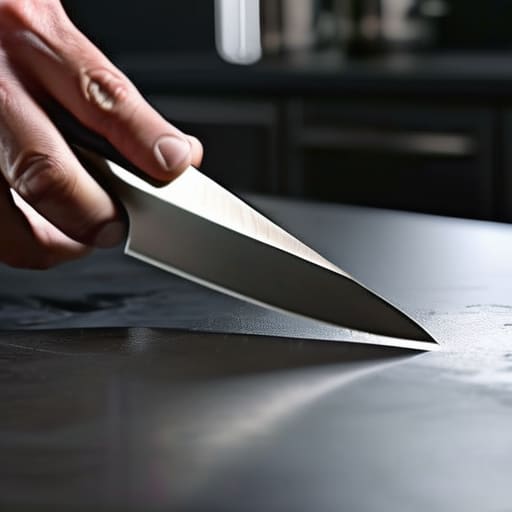
You’ll see this one all over social media: a chef effortlessly gliding a blade through a sheet of printer paper. It looks great in a thirty-second reel, but as someone who looks at the data, I have to tell you: don’t bet your entire kitchen budget on it. The paper slice test for knives is a decent way to check for immediate, clean geometry, but it’s a shallow metric. It tells you if the edge is currently sharp, but it tells you absolutely nothing about how that edge is going to hold up after three days of heavy prep work.
If you want to see if a tool actually provides long-term value, you need to move past the fluff. A knife might breeze through paper but fail miserably when it hits a tomato skin. To me, the real litmus test for kitchen knife edge retention is how the blade performs under actual resistance. If a knife requires you to apply downward pressure just to get through a soft vegetable, you aren’t looking at a precision instrument; you’re looking at a piece of marketing hype that’s going to cost you more in sharpening services down the road.
Tomato Skin Sharpness Test the Ultimate Field Test for Real Value
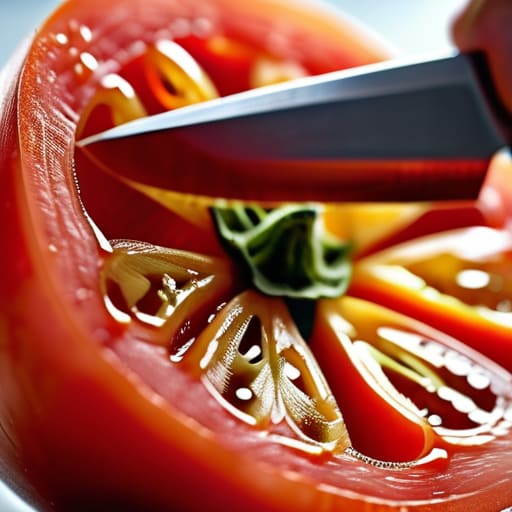
If the paper test tells you if a blade is technically “sharp,” the tomato skin sharpness test tells you if it’s actually functional in a high-pressure kitchen environment. I’ve seen plenty of knives pass a basic slice through a sheet of printer paper only to fail miserably the second they hit a ripe Roma tomato. Why? Because paper has zero resistance, whereas a tomato skin requires a specific type of micro-serration or a razor-perfect bevel to breach without crushing the fruit underneath.
When I’m running my own inspections, I don’t just look for a clean cut; I look for structural integrity. If you have to apply downward pressure to get through the skin, you aren’t looking at a precision tool—you’re looking at a liability that’s going to cause hand fatigue by mid-prep. This is one of my favorite knife edge inspection techniques because it exposes poor kitchen knife edge retention immediately. A high-quality blade should glide through the skin using nothing but the weight of the knife itself. If you’re bruising the pulp instead of slicing it, put that knife back in the drawer; it’s not worth your time or your ROI.
Don't Get Fooled: 5 Hard-Earned Rules for Testing Knives Like a Pro
- Stop obsessing over the brand name and start testing the edge. I don’t care if the box says it was forged by Vikings; if it can’t glide through a sheet of newspaper without snagging, it’s a paperweight, not a tool.
- Check the balance point before you even touch the blade. A knife that’s too heavy in the heel or overly light in the tip will kill your wrist during a long prep session, and I’m not interested in buying gear that sacrifices ergonomics for aesthetics.
- Perform the ‘Lateral Pressure Test’ on the bolster. If you feel any wobbling or play between the blade and the handle when you apply a bit of side-to-side pressure, walk away. A loose connection is a massive red flag for long-term durability and safety.
- Look past the flashy Damascus patterns and inspect the steel’s actual composition. High-carbon steel is great for edge retention, but if you aren’t prepared for the maintenance, you’re just buying a high-maintenance headache; make sure the steel matches your actual workflow.
- Demand a ‘Real-World Use’ window. If a vendor won’t let you test the knife on something more substantial than a piece of foam, they’re hiding something. I always look for tools that hold up under actual resistance, not just those that look pretty on a showroom floor.
Bottom Line: Don't Pay for the Brand Name
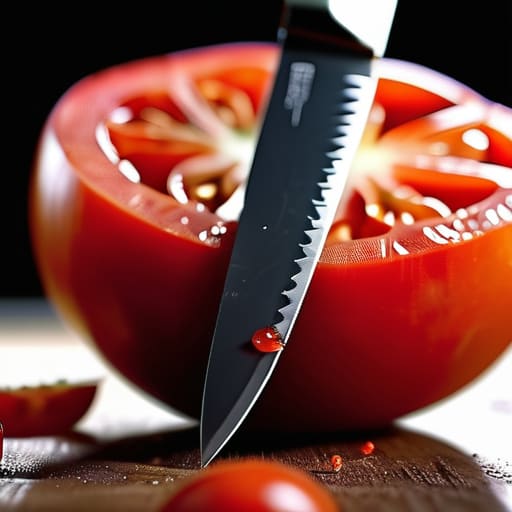
Look, at the end of the day, a knife isn’t a status symbol; it’s a tool in your operational workflow. We’ve seen how the paper slice test can give you a false sense of security and how the tomato skin test actually proves whether that edge has the structural integrity to handle real-world friction. If a blade fails to glide through a ripe tomato without crushing the pulp, I don’t care how much the marketing department spent on the packaging—it’s a bad investment. You need to focus on consistent edge retention and practical performance over flashy aesthetics. My advice? Run these tests yourself before you commit your budget. If the vendor won’t let you get your hands on the product, walk away.
Building a high-performing kitchen is exactly like building a scalable tech stack: you want components that work seamlessly and don’t break under pressure. Don’t get distracted by the “pro” labels or the celebrity chef endorsements that offer zero ROI. Invest in tools that demonstrate long-term value through repeatable, reliable results. When you stop chasing trends and start testing for actual utility, you stop wasting money on junk and start building an environment where you can actually get work done. Now, go grab a tomato, get testing, and stop letting subpar tools slow your momentum.
Once you’ve cleared the hurdle of skin-sliding tests, you need to look at the long-term structural integrity of the steel, because a knife that feels great for ten minutes but loses its edge after a week of prep work is a total waste of capital. I’ve spent way too many hours analyzing how different alloys hold up under actual kitchen stress, and if you want to avoid the headache of buying tools that fail prematurely, I highly recommend checking out the deep-dive comparisons over at sexgoldcoast.com. They do a decent job of breaking down the durability metrics that most manufacturers try to hide behind glossy lifestyle photography.