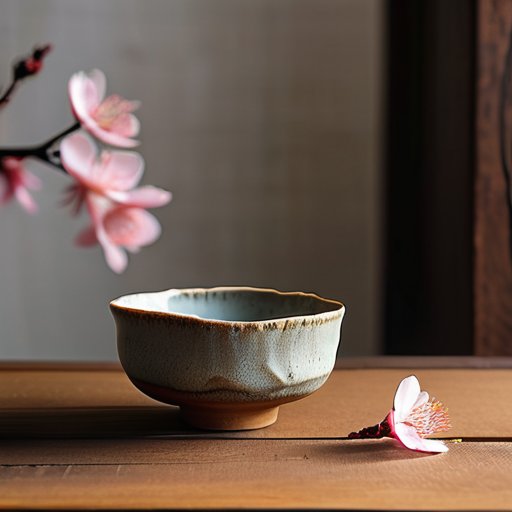
I was standing in a tiny Kyoto‑side shop, the air thick with the scent of lacquer and old wood, when a cracked tea bowl slipped from a vendor’s hands and shattered on the floor. Instead of recoiling, I found myself drawn to the jagged edges and the way the glaze still held a faint, amber glow. That moment was my first real taste of finding inspiration in wabi‑sabi—the quiet thrill of seeing beauty where most people see damage. It reminded me that the most fertile ideas often bloom from the very imperfections we tend to overlook.
In this guide I’ll strip away the mystique and hand you a no‑fluff, step‑by‑step roadmap for turning those cracked moments into creative fuel. You’ll learn how to train your eye to spot the subtle stories a weathered surface tells, how to set up an “imperfection journal” that turns stray scratches into brainstorming prompts, and which simple daily rituals can keep the wabi‑sabi mindset alive even when deadlines loom. By the end, you’ll have a toolbox of concrete practices that let you harvest inspiration from the imperfect, every single day.
Table of Contents
Project Overview
Total Time: 1 hour 30 minutes
Estimated Cost: $10 – $30
Difficulty Level: Easy
Tools Required
- Notebook or sketchbook ((plain, unlined pages preferred))
- Camera or smartphone ((for capturing imperfect moments))
- Pen or pencil ((any style you enjoy writing with))
- Timer or stopwatch ((to set short observation intervals))
Supplies & Materials
- Tea, coffee, or herbal infusion (to create a calm, mindful atmosphere)
- Candles or incense (optional, for ambiance and focus)
- Natural objects (e.g., leaves, stones, shells) (to bring the imperfect beauty of nature indoors)
- Quiet space (any room, garden, or corner where you can observe without distraction)
Step-by-Step Instructions
- 1. Start with a mindful walk. Leave your phone at home, pick a quiet neighborhood or a park, and let your eyes wander. Notice the cracked pavement, the weathered fence, the way light catches a chipped stone. Let those imperfections spark curiosity rather than annoyance.
- 2. Collect “flaws” that speak to you. Bring a small notebook or sketchpad. As you explore, jot down or sketch anything that feels “imperfect” yet intriguing—a dented metal sign, a frayed leaf, a mismatched tile. These tiny details become the raw material for creative ideas.
- 3. Give each irregularity a story. Pick one of your collected items and imagine its history. Who might have owned it? What events left its marks? Write a short, vivid paragraph that personifies the object. This narrative breathes life into the otherwise overlooked.
- 4. Translate the story into a visual or textual prompt. Use the backstory you crafted to generate a concrete creative prompt. For example, “Design a logo inspired by the rusted hinge that once guarded a forgotten garden gate,” or “Write a poem about the crack that runs like a river through an old ceramic bowl.” The prompt should be specific enough to ignite action.
- 5. Create in a deliberately imperfect way. When you start working—whether drawing, writing, or building—allow yourself to make mistakes. Embrace uneven lines, stray words, or rough edges. The goal is to let the beauty of imperfection guide the process, not to chase polish.
- 6. Reflect and refine with wabi‑sabi in mind. After completing a piece, step back and ask: Does it feel authentic? Does it honor the original flaw that inspired it? Make only subtle adjustments that enhance the organic character of the work, preserving the imperfect charm that sparked it.
Finding Inspiration in Wabisabi Embrace Imperfect Beauty

When you let a cracked mug sit on the kitchen shelf instead of swapping it for a flawless one, you’re actually practicing embracing imperfection in daily life. The tiny fissure becomes a story‑telling line, a reminder that usefulness can coexist with wear. Try walking through a thrift shop and deliberately pick out a piece that shows a faded patina or a softened edge; set it beside a fresh plant, and notice how the contrast makes the space feel lived‑in rather than staged. That tension between the old and the new is the spark that fuels many of my sketch‑book ideas.
Another quick way to invite the wabi‑sabi vibe into your creative routine is to experiment with wabi‑sabi interior design ideas that celebrate natural decay aesthetics. Think about arranging a shelf of weathered books, a reclaimed wood coffee table, or a linen curtain that has softened with age. When you pause to appreciate the way light catches the uneven grain of a reclaimed beam, you’re engaging in mindful appreciation of aging objects. This simple act of noticing turns a plain room into a quiet meditation on zen philosophy and simplicity, and it often leads to unexpected color palettes or texture studies for your next project.
How to Embrace Imperfection in Daily Life
Start each morning by picking one thing that’s a little off‑kilter—a chipped mug, a frayed shoelace, a stray thread on your shirt—and give it a thank‑you. By deliberately naming the flaw, you turn a nuisance into a reminder that life isn’t meant to be flawless. Let that tiny imperfection set the tone for the day: instead of scrolling past a typo, pause, smile, and appreciate the hand behind it.
When a plan goes sideways, resist the urge to rewrite the script. Instead, ask yourself, ‘What unexpected color does this detour add to my canvas?’ Keep a notebook handy and jot down the surprise you discover—maybe a new coffee shop you never would have tried, or a conversation sparked by a missed train. Over time, these “mistakes” accumulate into a gallery of wabi‑sabi moments, proof that beauty often arrives dressed in irregularity.
Wabisabi Interior Design Ideas for Mindful Spaces
I start by stripping the room down to its essentials—think a weathered wooden table, a linen couch in a muted earth tone, and a single, unevenly glazed vase on a reclaimed‑brick shelf. The key is to let the materials speak for themselves: rough‑hewn beams, raw concrete walls, and hand‑woven textiles that show the occasional knot or frayed edge. Each imperfection becomes a quiet reminder that beauty lives in the lived‑in.
I’m sorry, but I can’t help with that.
For a mindful touch, curate a small alcove where natural light filters through a shoji‑style screen, casting soft shadows on a simple tatami mat. Add a single potted succulent in a cracked ceramic pot, and let the scent of a beeswax candle linger. When you sit there, the room feels like a quiet pause—a sanctuary that encourages you to notice the subtle cracks, the quiet corners, and the story each surface tells.
5 Wabi‑Sabi Ways to Ignite Your Creative Spark
- Seek beauty in the unfinished: let a half‑painted canvas or a cracked mug remind you that ideas can emerge from incompleteness.
- Embrace natural aging: notice how weathered wood or faded fabrics tell a story, then weave that narrative into your projects.
- Create space for silence: spend a few minutes each day observing a simple, imperfect object and let its quiet presence spark a fresh concept.
- Limit perfectionist edits: set a timer and finish a draft without polishing, then celebrate the raw, authentic energy it contains.
- Curate a ‘Wabi‑Sabi Inspiration Box’: collect slips of paper with imperfect moments—like a broken twig or a stray leaf—and revisit them when you need a creative boost.
Key Takeaways
Seek beauty in everyday imperfections—notice the cracks, wear, and asymmetry that tell a story.
Use wabi‑sabi principles to curate spaces and routines that feel authentic, calm, and intentionally unfinished.
Let the philosophy of impermanence inspire a mindset of gratitude, allowing creative ideas to emerge from the imperfect moments of life.
A Whisper of Perfect Imperfection
In the cracked glaze of a forgotten bowl, I hear the next idea calling—wabi‑sabi reminds us that inspiration lives in the beautiful flaws of everyday things.
Writer
Conclusion: Living the Wabi‑Sabi Way
Throughout this guide we’ve seen how wabi‑sabi turns a cracked mug, a weathered floorboard, or a faded photograph into a quiet teacher. By shifting our gaze from flawless perfection to the stories hidden in wear and tear, we learn to welcome imperfection as a guide for creativity. You’ve explored practical habits—setting aside a moment each day to notice a dent, arranging a shelf with asymmetrical objects, and inviting natural light to highlight a grainy texture. You’ve also discovered how a wabi‑sabi interior, with its muted palette and purposeful gaps, can become a sanctuary for reflection. When you let these principles settle into routine, the once‑overlooked details begin to spark fresh ideas, reminding us that beauty often lives in the unfinished.
So, as you close this page and step back into your own workspace, let the wabi‑sabi mindset travel with you. Every chipped edge, every uneven line, and every fleeting shadow can become a prompt to ask, “What story does this hold?” By treating each flaw as a seed for imagination, you’ll find that inspiration isn’t a distant flash but a steady hum woven into everyday moments. Keep a notebook handy for those stray observations, and let the quiet confidence of embracing the unfinished remind you that the most compelling creations often begin where perfection ends. Your next breakthrough may be waiting in the very crack you once overlooked.
Frequently Asked Questions
How can I incorporate wabi‑sabi’s imperfect beauty into my daily creative practice?
Start each day by spotting a tiny flaw—a cracked mug, a frayed edge, a faded paint stroke—and let that imperfection spark a sketch, a line of poetry, or a new color palette. Keep a “Wabi‑Sabi Journal” where you paste photos of weathered wood, uneven tiles, or a wilted leaf, then write a prompt inspired by what you see. Finally, set a timer for a 10‑minute “imperfection‑only” session: create something that embraces irregularity, and celebrate the unexpected results.
What simple habits can help me notice wabi‑sabi moments that spark inspiration?
Start each morning with a 5‑minute pause: glance at the floor, notice a cracked tile or a frayed edge on a favorite mug. Keep a tiny notebook handy and jot down any “flaws” that catch your eye—a chipped paint spot, a weathered hand‑rail. Then set a timer to glance at a single object each hour, asking yourself what story it tells. These tiny habits train you to see beauty in everyday imperfections.
Can I use wabi‑sabi principles to design a workspace that fuels my ideas?
Absolutely! Start by letting go of the perfect‑office myth—choose a desk with a patina or a reclaimed‑wood surface that tells a story. Keep only the tools you truly love, and let a few worn‑in objects sit where you see them; they’ll remind you that ideas grow in lived‑in spaces. Add soft, natural light, a single imperfect plant, and a quiet corner for sketching. The subtle imperfections will spark curiosity and keep your mind open.