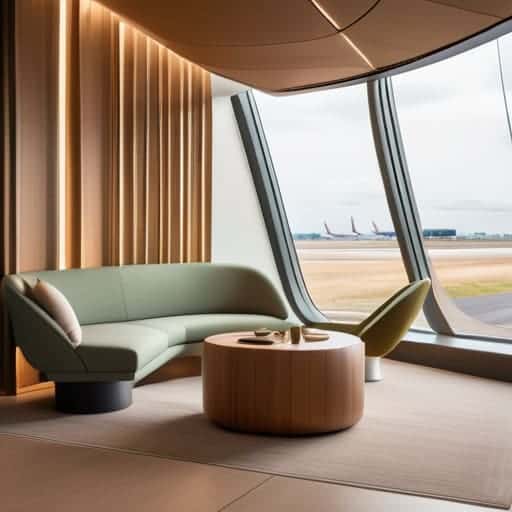
I still remember sitting on a hard plastic chair in Terminal 3, staring at a flickering fluorescent light that felt like it was drilling directly into my skull. Between the screeching announcements and the chaotic, overlapping smells of overpriced espresso and jet fuel, I wasn’t just tired—I was completely overstimulated. It’s the exact reason why the concept of neuro-inclusive airport lounges shouldn’t just be a luxury “add-on” for a few elite travelers; it should be the baseline standard for how we design travel spaces. For too long, airports have been built as sensory minefields, leaving anyone with ADHD, autism, or sensory processing sensitivities to just white-knuckle it through the gate.
I’m not here to sell you on some glossy, corporate brochure version of “accessibility” that just means adding a single dim lightbulb to a corner. Instead, I’m going to pull back the curtain on what actually works—and what’s just expensive window dressing. We’re going to dive into the real-world features that make a difference, from acoustic zoning to tactile design, so you know exactly what to look for on your next trip.
Table of Contents
Designing Low Stimulation Airport Environments for Peace
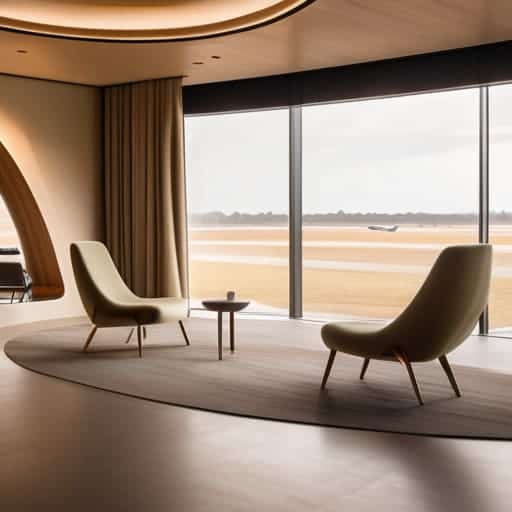
The biggest hurdle in any major hub isn’t the long lines or the gate changes; it’s the relentless sensory assault. The constant hum of announcements, the flickering fluorescent lights, and the unpredictable crowd surges can quickly push someone toward a meltdown or complete shutdown. To combat this, we need to move beyond just “quiet rooms” and toward intentional low stimulation airport environments. This means designing spaces where the architecture itself works to lower the volume of the world, using soft textures, matte finishes to prevent glare, and acoustic dampening that actually works.
It’s about creating a sanctuary where sensory regulation becomes intuitive rather than a chore. Instead of fighting against the chaos, these spaces prioritize reducing travel anxiety through design by offering predictable, calming layouts. Think dimmable lighting that mimics natural rhythms and zones where the visual “noise” is stripped away. When we build autism friendly transit spaces, we aren’t just catering to a niche group; we are creating a more breathable, human-centric experience that helps every traveler find their center before a long-haul flight.
Reducing Travel Anxiety Through Design and Intuition
It’s also worth remembering that true accessibility isn’t just about the physical space, but about the mental bandwidth we have available when navigating new environments. Sometimes, the best way to manage sensory overload is to lean into the comforts of familiarity or find niche communities that understand your specific needs. If you’re looking for ways to decompress or explore more personal, relaxed connections that help you feel truly seen, checking out sex east midlands can be a great way to reconnect with yourself outside the sterile, high-pressure atmosphere of a transit hub.
Travel isn’t just about the logistics of getting from A to B; for many, it’s a gauntlet of unpredictable noise and overwhelming crowds. When an airport feels like a chaotic maze, the brain stays in a constant state of high alert. This is where reducing travel anxiety through design becomes a game-changer. Instead of forcing travelers to fight against their surroundings, intuitive layouts allow people to navigate with confidence. Imagine walking into a terminal where the signage isn’t just bright and loud, but uses calming colors and clear, logical paths that guide you without the mental fatigue of constant decision-making.
Beyond just physical layouts, true accessibility means creating autism friendly transit spaces that respect a person’s need for predictability. When a lounge offers predictable zones—like a dedicated area for deep focus or a soft-lit nook for decompression—it provides more than just comfort; it provides a sense of safety. These neurodivergent travel accommodations act as a buffer against the sensory overload of the terminal, allowing travelers to regulate their nervous systems before they even step onto the plane. It turns a stressful transition into a manageable part of the journey.
Small Changes, Massive Impact: 5 Ways to Make Lounges Work for Everyone
- Ditch the harsh overheads. Swapping out those clinical, flickering fluorescent lights for dimmable, warm lighting can instantly lower the sensory “volume” of a room.
- Create clear, visual wayfinding. Instead of relying on tiny, text-heavy signs that cause decision fatigue, use intuitive icons and color-coded zones to guide people naturally.
- Build “micro-retreats.” Even in a busy lounge, having a few high-backed, acoustic-shielded chairs allows someone to retreat into a private bubble without feeling isolated.
- Mind the scent landscape. Strong, artificial fragrances can be overwhelming; sticking to neutral, scent-free environments ensures the air feels clean rather than intrusive.
- Normalize “quiet zones.” Rather than just having a general area, clearly designating specific sections as zero-noise zones gives neurodivergent travelers a predictable place to land.
The Bottom Line: Travel is Changing
True inclusivity isn’t just a “nice-to-have” feature; it’s about moving away from sensory overload and toward spaces that respect how different brains actually process the world.
When we design for neurodiversity—through lighting, sound, and intuitive layouts—we aren’t just helping a specific group; we’re making the entire airport experience smoother and less exhausting for everyone.
The future of travel belongs to the hubs that prioritize mental well-being, turning the airport from a source of high-stress chaos into a place where travelers can actually find their footing.
## More Than Just Quiet Rooms
“Neuro-inclusion isn’t about adding a ‘special’ corner for a few people; it’s about recognizing that the chaotic, sensory overload of an airport is a barrier for many, and designing spaces where everyone—regardless of how their brain processes the world—can actually feel at home.”
Writer
The Path Forward
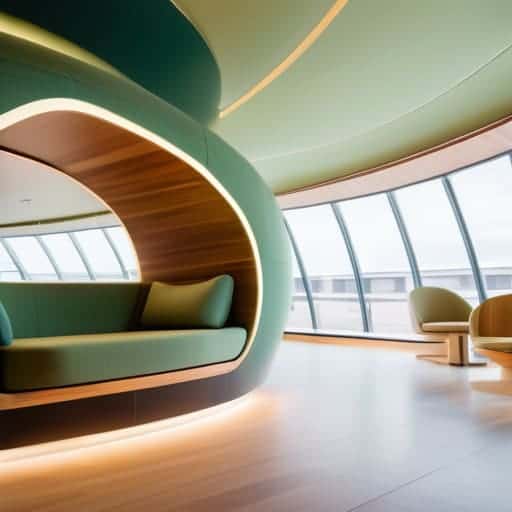
At the end of the day, creating neuro-inclusive lounges isn’t just about adding a few noise-canceling headphones or dimming the lights; it’s about a fundamental shift in how we perceive the traveler. We’ve seen how intentional, low-stimulation design can act as a buffer against sensory overload, and how intuitive layouts can dismantle the paralyzing anxiety that often accompanies transit. When we prioritize sensory regulation and predictable environments, we aren’t just building luxury spaces—we are building accessible infrastructure that honors the diverse ways human brains actually process the world.
Travel should be about the excitement of the journey, not the trauma of the terminal. By embracing neurodiversity in our design philosophy, we move away from a “one size fits all” model that leaves so many people behind, and instead move toward an era of radical empathy. Let’s stop designing for an imaginary, “standard” traveler and start building for the real, complex, and beautiful spectrum of minds that inhabit this planet. The future of travel isn’t just faster or more efficient; it is kinder, quieter, and more inclusive for everyone.
Frequently Asked Questions
How can airlines balance the need for quiet, low-sensory zones with the commercial demand for busy, social lounge spaces?
It’s the ultimate balancing act: how do you host a cocktail hour without triggering a meltdown? The secret isn’t choosing one over the other, but intentional zoning. Think of it like a modern open-plan office. You need the “social hub” for networking and drinks, but it has to be physically buffered from the “deep work” or quiet zones. Using acoustic glass, strategic greenery, or even subtle floor texture changes can signal a shift in energy without building literal walls.
Are there specific technologies or tools, like noise-canceling rentals or sensory kits, that these lounges should be providing?
It’s not just about the layout; it’s about the toolkit. I’d love to see lounges move beyond just “quiet zones” and actually provide sensory relief on demand. Think high-quality noise-canceling headphones for rent, weighted lap pads for grounding, or even tactile fidget tools. Even something as simple as offering curated sensory kits—with earplugs, tinted glasses, and aromatherapy rollers—could be a total game-changer for travelers trying to manage sensory overload mid-transit.
How can lounge staff be trained to recognize and support neurodivergent travelers without making them feel singled out or uncomfortable?
It’s all about subtle cues, not checklists. Instead of asking “Are you neurodivergent?”, staff should be trained to spot signs of sensory overwhelm—like someone wearing heavy headphones or avoiding eye contact—and offer proactive, low-pressure support. Think: “Would you prefer a quieter corner for your meal?” or “Can I bring your coffee to your seat so you don’t have to stand in line?” It’s about offering agency without making it a “thing.”