I’ll be honest: most of the stuff you hear about “saving the planet” feels like it was designed by a bunch of billionaires in a boardroom to make us feel guilty while they keep doing whatever they want. I spent way too much time reading these dense, academic papers about environmental impact, feeling like I needed a PhD just to understand how my own spending habits affected the world. Then I stumbled onto the concept of fractionalized carbon handprints, and it finally clicked. Instead of some massive, overwhelming corporate mandate, it’s actually about those small, measurable ways we can actively improve our footprint through the choices we make every day.
Look, I’m not here to sell you on some expensive, green-washed lifestyle that’s going to wreck your budget. I know what it’s like to pinch pennies just to keep the lights on, so I’m going to break this down into a practical, no-nonsense roadmap. I’ll show you how to navigate fractionalized carbon handprints without sacrificing your financial goals, focusing on the small, automated wins that actually move the needle. No jargon, no hype—just a real way to make an impact while staying in control of your money.
Table of Contents
- Forget Carbon Removal Why Handprints Win
- Democratizing Climate Finance for Regular People Like Us
- How to actually start using handprints without breaking the bank
- The bottom line: Why this matters for your wallet and the planet
- ## Why this actually matters for your wallet
- The Bottom Line
- Frequently Asked Questions
Forget Carbon Removal Why Handprints Win
When I first started looking into this, I kept getting hung up on the whole “carbon removal” hype. Don’t get me wrong, pulling CO2 out of the sky is vital, but it’s often a massive, expensive, and slow-moving game played by huge corporations. It’s a defensive play—trying to undo the damage we’ve already done.
But here’s where things get interesting: I’ve started looking at this through the lens of carbon removal vs carbon handprints, and the difference is massive. While removal is about cleaning up the mess, a handprint is about active, positive contribution. It’s the difference between just trying to stop a leak in your boat and actually building a better engine.
By focusing on these positive actions, we’re talking about democratizing climate finance. Instead of waiting for a massive tech firm to invent a giant vacuum for the atmosphere, we can use technology to support real-world projects that create net-positive value right now. It’s about moving from a mindset of “damage control” to one of intentional, scalable growth.
Democratizing Climate Finance for Regular People Like Us
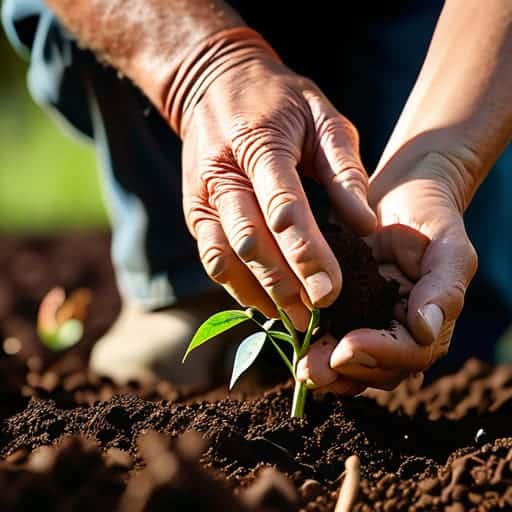
For the longest time, I thought “investing in the planet” was something only massive hedge funds or billionaire philanthropists could do. You’d see these huge headlines about multi-million dollar reforestation projects, and it felt totally out of reach for someone like me—someone who was just trying to figure out how to balance a budget and pay off student loans. But that’s exactly where things are changing. By democratizing climate finance, new technologies are finally opening the door for regular people to get skin in the game.
Instead of needing a massive lump sum to fund a massive project, we’re seeing the rise of tokenized environmental impact. This basically means you can own a tiny, verifiable slice of a positive environmental outcome. It’s a lot like how I started investing in index funds instead of trying to pick individual stocks; it lowers the barrier to entry and lets us participate in something much bigger than our own bank accounts. We aren’t just spectators anymore; we’re actually contributing to decentralized climate action through small, manageable amounts that fit into our monthly financial plan.
How to actually start using handprints without breaking the bank
- Look for “micro-investing” platforms. Just like how I started investing small amounts into index funds when I was paying off my debt, you can use apps that let you put tiny amounts of money toward specific, verified carbon handprint projects. You don’t need thousands of dollars to make an impact.
- Audit your own “subscription” footprint. I’m a sucker for a good automation, so I recommend setting up a small, recurring monthly transfer to a handprint-focused fund. Treat it like a Netflix subscription, but instead of getting movies, you’re funding real-world decarbonization.
- Focus on the “multiplier effect.” When you’re looking at where to put your money, don’t just look at the carbon saved; look at the project’s ability to scale. I always look for value in my travel deals, and in climate finance, the best “value” is a project that can grow and influence others to follow suit.
- Don’t get distracted by the “offset” trap. I learned the hard way that some financial products look great on paper but don’t actually do anything. Avoid companies that only talk about “neutrality” (offsetting the bad) and prioritize those that focus on “handprints” (actively creating the good).
- Schedule a “Green Money Date.” Once a month, sit down with your spreadsheet—just like I do with my net worth—and review the impact your fractionalized investments are actually having. It keeps you motivated and ensures your money is actually working as hard as you are.
The bottom line: Why this matters for your wallet and the planet
Stop waiting for billionaires to save the world; fractionalized handprints let us actually put our money where our mouth is by supporting real, scalable solutions.
Think of this as “investing with intent”—it’s not just about offsetting the bad stuff you do, but actively funding the good stuff that moves the needle.
You don’t need a massive windfall to make an impact; the beauty of this system is that it breaks down high-level climate finance into bite-sized pieces that fit a regular person’s budget.
## Why this actually matters for your wallet
“Look, for a long time I thought helping the planet meant writing a massive check to some giant corporation, which just wasn’t realistic for my budget back then. But fractionalized handprints change the math; they let us take these small, intentional bites out of the problem, turning climate action from a luxury for the ultra-rich into a practical habit we can actually build into our daily lives.”
Alex Barnes
The Bottom Line
Now, I know what you’re thinking—this all sounds a bit heavy for a Tuesday morning. When I first started digging into how we can actually influence the climate through our spending, I felt pretty overwhelmed by the sheer scale of it all. But honestly, the best way to stay sane is to break it down into manageable pieces rather than trying to solve the whole world’s problems at once. It’s a lot like when I was tackling my debt; I didn’t look at the total $30k every day, I just looked at the next step. If you’re looking for ways to navigate life’s more complex or unconventional shifts while you’re busy retooling your lifestyle, I actually found some great perspective over at casual sex edinburgh that helps keep things grounded. It’s all about finding balance in how we live and the choices we make, whether it’s in our bank accounts or our personal lives.
Look, I know this sounds like a lot to wrap your head around, but when you strip away the complex jargon, it’s actually pretty simple. We’ve moved past the idea that you need to be a massive corporation to make a difference. By shifting our focus from just “offsetting” damage to actively creating fractionalized carbon handprints, we’re changing the game. We’ve talked about why choosing proactive impact over passive removal is the smarter move, and how these new financial tools are finally democratizing climate action so that regular people—people like you and me—can actually participate. It’s about moving from feeling helpless to being part of a measurable, scalable solution.
If there’s one thing my journey out of debt taught me, it’s that big changes don’t happen overnight; they happen through small, consistent, and intentional actions. The same applies to the planet. You don’t need a million dollars to start contributing to a greener future; you just need to start where you are with the tools available to you. This isn’t about being perfect or having a massive environmental fund; it’s about taking that first step and realizing that your financial choices have real-world power. We’re in this together, and honestly, the future looks a lot brighter when we all start leaving our mark.
Frequently Asked Questions
If I start investing in these fractionalized handprints, how do I actually know the money is actually making a real-world impact and not just disappearing into some corporate black hole?
I get it—I’ve been burned by “black hole” fees before, too. When I was paying off my debt, I was obsessed with where every single dollar went. With handprints, you’re looking for “proof of impact” protocols. Most reputable platforms use blockchain or third-party audits to track the actual project—like a specific solar farm or reforestation site—in real-time. If they can’t show you the direct line from your dollar to a measurable result, walk away.
Is this going to be a massive drain on my monthly budget, or can I actually fit something like this into a modest savings plan alongside my other goals?
Look, I get it. When I was paying off that $30k in debt, every extra dollar felt like a battle. The good news? This isn’t some massive, intimidating investment. Think of it more like a micro-contribution—similar to rounding up your spare change or adjusting a subscription. You can absolutely bake this into a modest savings plan without sacrificing your progress toward an emergency fund or your next travel deal. It’s about small, automated wins.
How do I even get started—are there specific apps or platforms that make this as easy as managing my usual investment portfolio?
Look, I get it—the last thing you want is another complicated dashboard. I’m a huge fan of automation, so I look for platforms that plug right into what I’m already doing. Check out apps like Ethic or even some of the newer features on Robinhood and Betterment; they’re making it way easier to tilt your portfolio toward these “handprint” projects. Start small, maybe even with just $50, and see how it feels.