I was standing in the middle of my backyard three years ago, staring at a patch of patchy grass and a $40 bag of soil, feeling completely paralyzed by the sheer scale of it all. I had all these Pinterest boards full of lush, overflowing raised beds, but looking at my empty dirt, I didn’t even know where to place the first shovel. Most people think you need a “green thumb” or a massive plot of land to succeed, but that is the biggest myth in gardening. The truth is, learning how to start a vegetable garden isn’t about having a natural gift for plants; it’s simply about having a structured sequence of small, manageable actions.
I’ve spent my career as an instructional designer breaking down complex systems into digestible modules, and I’ve applied that exact same logic to my garden. In this guide, I’m stripping away the fluff and the expensive mistakes to give you a clear, step-by-step roadmap. We are going to move through four specific modules—from site selection to your very first harvest—to ensure you feel completely prepared rather than overwhelmed. By the end of this course, you won’t just have a garden; you’ll have a proven system for success.
Guide Overview
Tools & Supplies
- Hand trowel for digging small holes
- Garden hoe for weeding and soil prep
- Watering can or hose for hydration
- Potting soil or garden soil (3-5 bags)
- Vegetable seeds or seedlings (10-15 varieties)
- Organic fertilizer (1 bag)
Step-by-Step Instructions
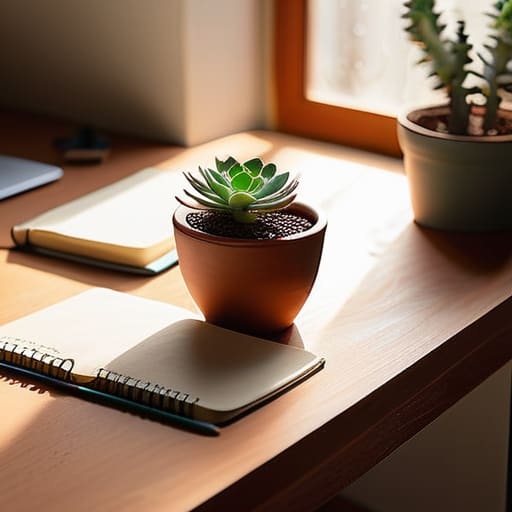
- 1. Assess Your Sunlight and Space. Before you buy a single packet of seeds, you need to do a little “sunlight scouting.” Most vegetables are sun-worshippers and need at least six to eight hours of direct sunlight daily to produce a decent harvest. Grab a notebook (or your favorite bullet journal!) and spend a Saturday tracking how the light moves across your yard or balcony. Don’t worry if you only have a small patio; even a few containers can work if you pick the right spot.
- 2. Choose Your Gardening Method. This is where we decide on your “infrastructure.” Are you going to dig directly into the ground, build raised beds, or stick to container gardening? For a complete beginner, I almost always recommend raised beds or containers. They offer much better control over your soil quality and significantly reduce the chance of battling stubborn weeds or poor drainage right out of the gate.
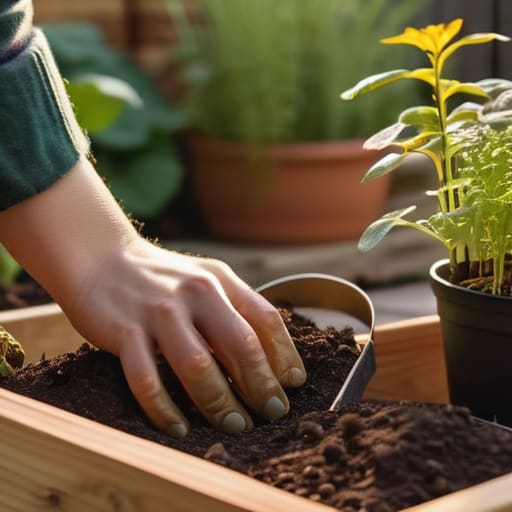
- 3. Build Your Foundation with Quality Soil. If there is one thing I want you to tattoo on your brain, it’s this: your garden is only as good as your soil. Don’t just scoop up dirt from your backyard; it’s likely too compacted or lacking the nutrients your plants crave. Invest in a high-quality organic potting mix or a well-composted garden soil. Think of this as the fuel for your plants; if the fuel is low-grade, the engine won’t run.
- 4. Select Your “Starter” Crops. It is so tempting to try and grow everything at once, but that is the fastest way to hit a wall of overwhelm. Instead, pick 3–5 vegetables that are actually easy to grow in your specific climate and that you actually enjoy eating. I suggest starting with something resilient like cherry tomatoes, lettuce, or radishes. Success with a few small plants builds the momentum you need to expand next season.
- 5. Create a Planting Schedule. Now, we move from dreaming to scheduling. Check your local “last frost date” to know exactly when it is safe to put your plants in the ground. You can buy seedlings (baby plants) from a nursery to get a head start, or you can start from seed. If you go the seed route, read the back of the packet carefully—it’s essentially the instruction manual for that specific plant, telling you exactly how deep to bury them and how far apart to space them.
- 6. Establish a Consistent Watering Routine. Consistency is the secret sauce here. Plants don’t like to play “drought and flood”—they prefer a steady, predictable supply of moisture. I recommend watering early in the morning to prevent evaporation and fungal diseases. A great way to stay organized is to set a recurring task in your digital calendar or write a quick checklist in your planner to ensure you aren’t skipping days during the heat of the summer.
- 7. Monitor, Weed, and Mulch. Once your garden is growing, your job shifts to “maintenance mode.” Spend ten minutes a few times a week just walking through your garden to check for pests or new weeds. A pro tip from my instructional design brain: use mulch (like straw or shredded leaves) around your plants. It acts as a protective layer that keeps moisture in the soil and suppresses weeds, which means less work for you in the long run!
Mastering Vegetable Garden Soil Preparation for a Strong Foundation
Once you have your seeds chosen and your soil prepped, you might find yourself needing a little extra community support or a place to decompress while you’re navigating the learning curve of a new hobby. Sometimes, finding a way to connect with others and unwind is just as important for your mental well-being as the gardening itself. If you’re looking for a way to relax and engage in some social connection during your downtime, checking out Adultchatcanada can be a great way to find that much-needed social outlet away from the dirt and the garden tools.
Think of your soil as the literal foundation of your entire project. Just as I wouldn’t design a complex training module without a solid curriculum, you shouldn’t plant a single seed without checking your “infrastructure.” Most beginners make the mistake of just digging a hole in the backyard and hoping for the best, but true success lies in thorough vegetable garden soil preparation. I always recommend a simple soil test first; knowing your pH levels and nutrient density takes the guesswork out of the equation and ensures you aren’t wasting money on fertilizers you don’t actually need.
If you’re working with heavy clay or rocky ground, don’t let that discourage you! This is where some of my favorite raised bed gardening tips come into play. Instead of fighting against stubborn, compacted earth, building upward with high-quality compost and organic matter allows you to control the environment from day one. By creating a nutrient-rich, well-draining medium, you are essentially pre-loading your plants with everything they need to thrive, making your journey from seedling to harvest much more predictable and, ultimately, much more rewarding.
Choosing the Best Vegetables for Beginners to Ensure Early Wins
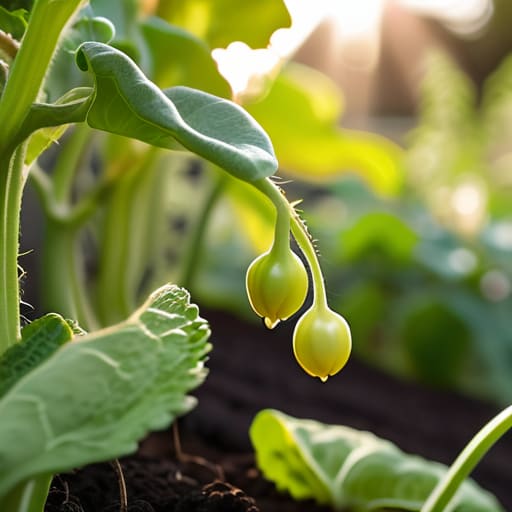
Now that your soil is prepped and ready, we need to talk about your “roster.” This is where many new gardeners stumble—they get overly ambitious and try to grow everything from exotic peppers to temperamental heirloom tomatoes right out of the gate. My advice? Focus on securing those early wins. I always tell my students to pick three to five varieties that are notoriously resilient. Think radishes, snap peas, or even zucchini; these plants are forgiving and provide that instant gratification that keeps you motivated when the learning curve gets steep.
As you build your selection, I highly recommend consulting a seasonal vegetable planting calendar specific to your local hardiness zone. There is no sense in rushing a heat-loving cucumber into a chilly spring bed, just as you wouldn’t plant kale in the middle of a July heatwave. Once you’ve selected your “easy” crops, take a moment to look into basic companion planting for vegetables. For example, planting marigolds near your greens can act as a natural deterrent for certain bugs. By choosing hardy plants and aligning them with the right timing, you aren’t just gardening; you’re setting yourself up for a successful harvest.
Pro-Tips for Sustaining Your Success: The 'Maintenance' Module
- Master the Art of the Watering Schedule: Don’t just spray and pray; aim for the base of your plants rather than the leaves to prevent disease, and try to water in the early morning to minimize evaporation.
- Embrace the Power of Mulching: Think of mulch as your garden’s protective blanket; applying a layer of straw or shredded leaves helps retain moisture and suppresses those pesky weeds before they can steal your nutrients.
- Keep a Garden Journal for Future You: I’m a total bullet journal enthusiast, and I can’t recommend this enough—track what you planted, when it sprouted, and what failed so you can turn this year’s mistakes into next year’s successes.
- Monitor for ‘Uninvited Guests’ Weekly: Spend ten minutes every weekend doing a quick visual scan of your leaves; catching a few aphids early is a much easier fix than dealing with a full-blown infestation later.
- Feed Your Soil, Not Just Your Plants: Remember that healthy plants come from healthy soil, so incorporate a bit of organic compost every few months to keep that nutrient cycle flowing smoothly.
From Planning to Planting: Your Next Steps
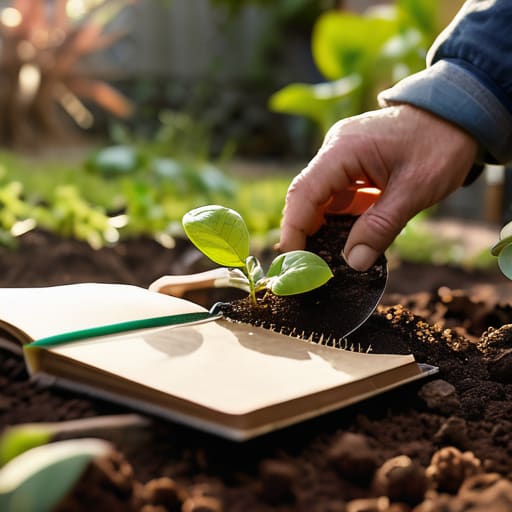
We have covered a lot of ground today, moving from the initial spark of an idea to the technicalities of soil health and plant selection. Remember, the secret to a successful garden isn’t having a “green thumb”—it is simply following a structured process. By focusing on high-quality soil preparation and choosing beginner-friendly crops that offer those much-needed early wins, you have already bypassed the most common pitfalls that cause new gardeners to quit. You have built your foundation; now, it is time to move from the planning phase into the active implementation phase.
I know that staring at an empty patch of dirt can feel a little daunting, but I want you to remember why you started this journey in the first place. Whether it’s the desire for fresher flavors, a way to save money, or just a quiet moment of connection with nature, that motivation is your compass. Don’t feel like you have to master everything in a single weekend. Just pick one task from your checklist, complete it, and celebrate that small victory. You don’t need a farm to be a gardener; you just need to take that first step. I can’t wait to see what you grow!